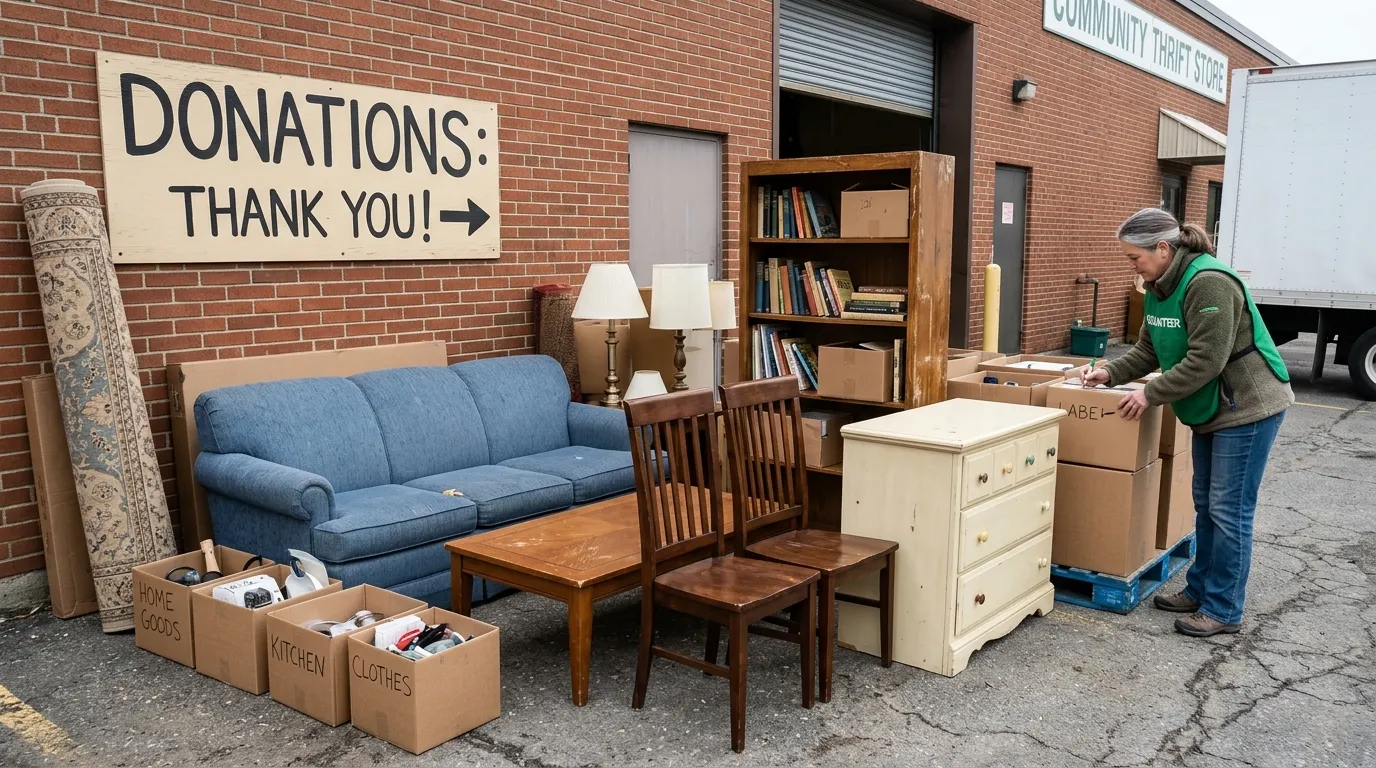
Broken wooden furniture can take up a lot of space in your home, garage, or storage area. Old chairs, tables, wardrobes, cabinets, bookshelves, and bed frames may become damaged over time. Some items can be repaired, while others may be too broken to use again. If you have furniture that you no longer need, getting rid of it can help free up space and keep your home tidy.
However, you should not always put broken wooden furniture in your regular trash. Some items contain metal parts, plastic pieces, paint, or other materials that need separate handling. The good news is that there are several ways to dispose of broken wooden furniture. You can recycle it, take it to a recycling center, hire a junk removal service, or reuse the wood for another project. Here are ten ways to get rid of broken wooden furniture safely and responsibly.
1. Recycle Wooden Furniture
Recycling is a good option for broken wooden furniture that can no longer be used. Many furniture items contain wood that may be suitable for recycling or reuse. For example, broken tables, chairs, shelves, and cabinets may contain solid wood that can be turned into other products. Depending on the material and local facilities, some wood may be processed into wood chips, particleboard, or other products.
Before recycling your furniture, check what type of wood it contains. Solid wood and untreated wood are often easier to recycle than furniture made from mixed materials. Some items contain plywood, MDF, particleboard, glue, paint, or special coatings. These materials may have different recycling rules.
Contact a local recycling service or waste management company to ask whether it accepts broken wooden furniture. Explain what the item is made of and whether it contains metal handles, glass panels, plastic parts, or fabric. The service can tell you whether you need to separate these materials before collection.
Avoid assuming that all wooden furniture can go into a regular wood recycling bin. Painted, treated, or engineered wood may not be accepted at every facility. Checking first can help you choose the correct recycling option and avoid extra disposal costs.
2. Take It to a Recycling Center
Taking broken wooden furniture to a recycling center is another option. Many local facilities accept certain types of wood waste and large household items. This can be useful if you have a broken table, damaged wardrobe, old bed frame, or several pieces of furniture to remove at once.
Start by searching for recycling centers in your area. Contact the facility before visiting and ask whether it accepts furniture made from solid wood, plywood, MDF, or particleboard. Some centers accept only clean wood, while others have separate areas for large furniture and mixed materials.
You should also ask about fees, opening hours, and drop-off rules. Some facilities allow residents to bring certain items for free, while others charge based on the type or amount of waste. If your furniture contains glass, mirrors, metal, or fabric, ask whether these parts need to be removed first.
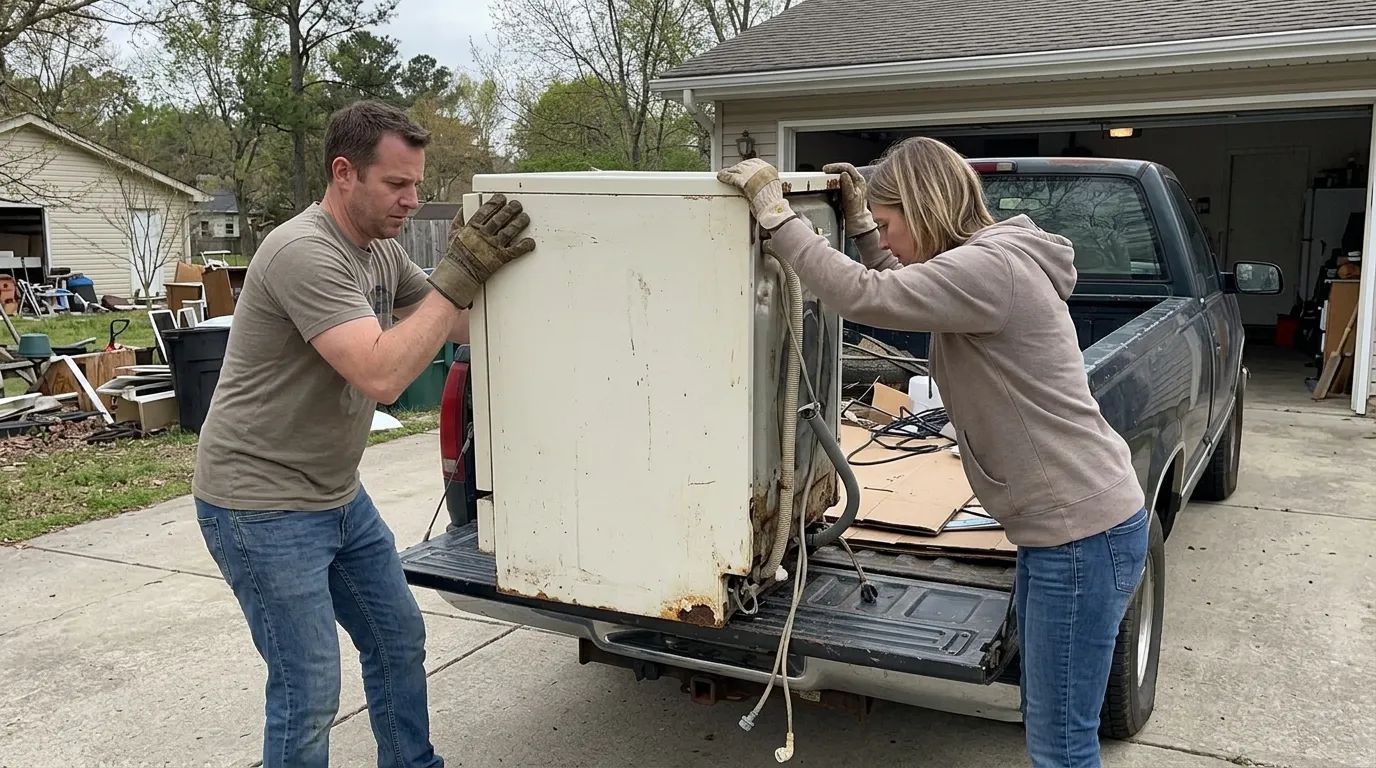
If you plan to transport the furniture yourself, make sure it fits safely in your vehicle or trailer. Large wardrobes and tables may need to be taken apart before transport. Wear gloves when handling broken wood because it may have sharp edges, loose nails, or splinters.
3. Hire Junk Removal Services
Hiring a junk removal company can save time and effort if you have large or heavy pieces of broken wooden furniture. These companies collect unwanted items from homes, apartments, garages, and storage areas. They may also carry the furniture out of your property and transport it to a suitable recycling or disposal facility.
This option is useful if you have a broken sofa frame, wardrobe, dining table, bed frame, or several damaged chairs. It can also help if you do not have a suitable vehicle or cannot lift heavy items safely.
Contact a few junk removal companies and explain what you need removed. Tell them the number of items, their approximate size, and where they are located. If the furniture is upstairs, in a basement, or behind a narrow doorway, mention this when asking for a quote.
Before booking, ask whether the price includes labor, transport, and disposal fees. Some companies charge according to the amount of space your furniture takes up in their truck. Others may have fixed prices for certain items. You should also ask whether usable wood will be recycled or reused.
Compare prices before choosing a service. A little research can help you find a suitable option without paying more than necessary.
4. Contact Local Waste Facilities
Your local waste management department may offer a way to dispose of broken wooden furniture. Many cities and towns have special services for bulky waste, which includes items that are too large for regular household bins. These services may collect furniture from your home or allow you to take it to an approved waste facility.
Start by visiting your city or county waste management website. Look for information about bulky waste collection, furniture disposal, and wood waste. You can also contact the department directly if you cannot find clear information online.
Ask whether broken wooden furniture is accepted and whether you need to book a collection. Some areas have scheduled collection days, while others require residents to arrange a separate pickup. Find out whether there are limits on the size or number of items you can leave for collection.
You should also check whether the furniture needs to be taken apart. Some waste services require large items to be broken down into smaller pieces. Others accept complete furniture but may charge an additional fee.
Never leave broken furniture on the roadside or beside a public bin unless your local rules allow it. Unapproved dumping can create safety problems and may lead to fines. Checking the rules first will help you dispose of the furniture correctly.
5. Donate Usable Furniture Parts
Even if your wooden furniture is broken, some parts may still be useful. For example, a damaged wardrobe may have strong wooden shelves, while a broken table may still have usable legs or a solid tabletop. These parts can be useful for people who repair furniture or make their own household items.
Before offering the parts to someone, inspect them carefully. Remove loose pieces and check for signs of rot, serious water damage, or insect damage. Avoid giving away wood that may be unsafe to handle or use.
You can contact local repair groups, woodworking clubs, community workshops, or furniture restoration businesses to ask whether they accept reusable materials. Some people may be happy to take solid wood panels, shelves, drawers, or cabinet doors for their projects.
You can also post a free listing on an online marketplace or in a local community group. Include clear photos and explain which parts are available. Mention whether the person collecting them needs to bring tools or arrange transport.
Keep in mind that not every group accepts used furniture parts. Contact the recipient before dropping anything off. This helps prevent wasted trips and ensures that the materials go to someone who can use them.
6. Sell Furniture for Scrap
Some broken wooden furniture may still have value, especially if it contains solid wood or useful hardware. You may be able to sell certain parts to furniture restorers, woodworking businesses, or people who work with reclaimed materials.
Start by checking the condition of the wood. Solid wood from older tables, cabinets, and bed frames may be useful for repair work or small woodworking projects. However, furniture made mainly from damaged particleboard or MDF may have little resale value.
You can list reusable parts on online marketplaces and describe the materials honestly. Include photos, measurements, and details about any damage. If the furniture has been painted, treated, or exposed to water, mention this information.
Contact local scrap dealers if the furniture contains metal hinges, handles, brackets, or frames. Some dealers accept these parts separately, but they may not buy the wooden sections. Ask what materials they accept before transporting anything.
Do not expect every broken furniture item to earn money. In many cases, the cost of moving or separating the materials may be greater than their value. Selling is most useful when the furniture contains materials that someone else wants.
7. Give It Away for Free
If your broken wooden furniture has parts that someone can repair or reuse, giving it away for free may be a simple solution. Many people look for low-cost furniture or materials for home improvement projects. A damaged table, cabinet, bookshelf, or bed frame may be useful to someone with the time and skills to fix it.
You can post a free advertisement on Facebook Marketplace, Craigslist, or another local platform available in your area. Add clear photos and explain exactly what is broken. For example, mention if a chair has a loose leg, a cabinet door is missing, or a table needs a new top.
Be honest about the condition. Do not describe an item as suitable for normal use if it has serious structural damage. Explain whether the furniture needs repairs and whether the person collecting it must bring tools.
It is also a good idea to state that pickup is required. Large furniture can be difficult to transport, so the person taking it should arrange a suitable vehicle and enough help to move it.
If the furniture is unsafe, badly rotted, or affected by pests, giving it away may not be suitable. In that case, consider recycling or approved disposal instead.
8. Repurpose Broken Wood
Repurposing is a useful option if you enjoy simple home projects or want to save materials from going to waste. Even when a piece of furniture can no longer serve its original purpose, some of its wooden parts may be useful for other projects.
For example, a damaged bookshelf may provide wood for small storage boxes. An old table can sometimes be turned into a workbench, while solid cabinet shelves may be reused in a garage or shed. Wooden drawers can also be used for storage if they are still in good condition.
Before starting a project, check the wood carefully. Remove loose nails, screws, hinges, and other hardware. Sanding may be needed to remove rough edges, but use suitable safety equipment to protect yourself from dust and splinters.
You should also check whether the wood has paint, varnish, or chemical treatments. Older painted furniture may contain lead-based paint, so avoid sanding or cutting it until you know it is safe. Treated wood may also be unsuitable for some indoor or garden uses.
If the furniture is badly damaged or you do not have the tools needed to work on it safely, another disposal method may be more practical. Repurposing works best when the remaining materials are in good condition and can serve a useful purpose.
9. Contact Furniture Removal Companies
Furniture removal companies can help if you have several large items to get rid of or need help carrying them out of your property. These companies may offer services for individual items, full room clear-outs, or larger household removals.
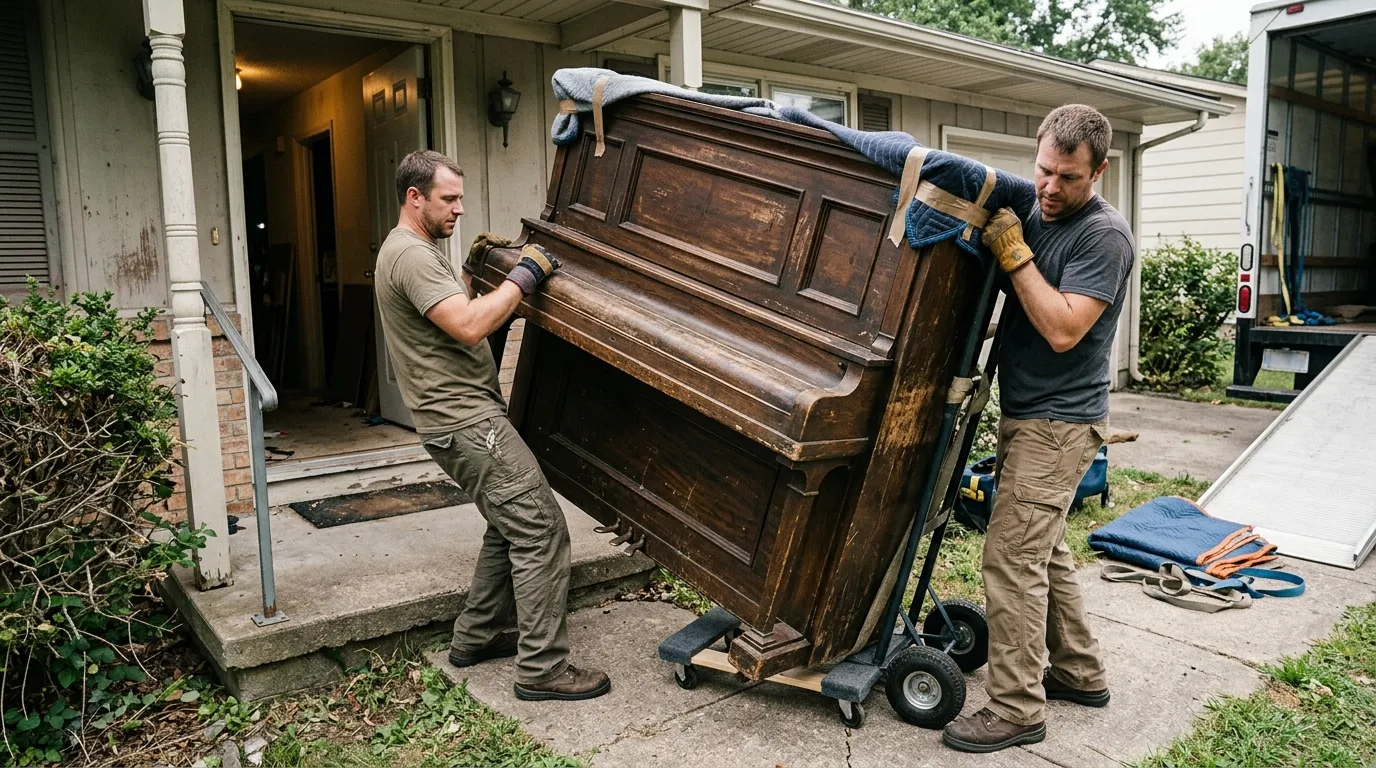
This option can be helpful when broken furniture is too heavy to move alone. Wardrobes, bed frames, large cabinets, and wooden dining tables can be difficult to carry through narrow hallways or down stairs. Professional removal workers have equipment and experience that can make the job safer.
When contacting a company, provide a list of the items you want removed. Include their approximate sizes and the number of floors they need to be carried down. Tell the company if any furniture is partly dismantled or has sharp broken parts.
Ask whether the company separates reusable furniture from waste. Some removal services may donate or recycle suitable materials, while others may take everything to a disposal facility. Confirm the total price before booking and ask whether extra charges apply for heavy items or difficult access.
If you are clearing out a whole room, ask whether the company offers a package price. This may be cheaper than arranging separate collections for each item.
10. Check Local Disposal Rules
Before disposing of broken wooden furniture, check the rules in your city or town. Disposal options can vary by location, especially for furniture made from treated wood, MDF, particleboard, or mixed materials.
Start with your local waste management website. Search for information about bulky waste, wood recycling, furniture collection, and approved disposal sites. If the rules are unclear, contact the waste department and explain what type of furniture you have.
Ask whether you can place the furniture in a bulky waste collection, take it to a recycling center, or use a local landfill. Find out whether you need an appointment and whether any fees apply. Some facilities may accept certain types of wood but refuse furniture containing glass, mirrors, upholstery, or treated materials.
You should also check the rules for taking furniture apart. Some areas may require you to separate wood from metal or other materials, while others accept complete items.
If you live in a rented property or apartment building, check with your landlord or building manager before leaving furniture in shared areas. Hallways, entrances, and bin rooms may not be approved storage places for bulky waste.
Following local rules helps you avoid extra costs and makes sure the furniture is handled at an approved location.
How to Prepare Broken Wooden Furniture for Disposal
Before removing broken furniture, take a few steps to make the process safer and easier. Start by removing personal items, drawers, shelves, and anything stored inside the furniture. Check the item for loose nails, screws, broken glass, or sharp edges that could cause injuries.
If the furniture is large, consider taking it apart into smaller sections. Remove only the parts you can handle safely with the right tools. Keep screws and other small metal pieces in a container so they do not get lost or cause injuries.
Wear work gloves and suitable footwear when moving broken wood. If you need to lift a heavy item, ask someone to help or hire a removal service. Avoid dragging furniture across floors, as this can damage surfaces and create a risk of injury.
Keep reusable wood separate from pieces that are rotten, badly damaged, or unsuitable for reuse. If the furniture contains glass, mirrors, metal, or fabric, ask your recycling center whether these materials need separate handling.
Finally, confirm the collection time or drop-off rules before transporting the furniture. Preparing it in advance can save time and reduce the chance of problems during removal.
Final Thoughts
There are several ways to dispose of broken wooden furniture, and the best choice depends on its condition, size, and materials. If some parts are still useful, consider donating them, giving them away, or selling them for reuse. If the furniture is beyond repair, check local recycling centers, waste facilities, and junk removal services.
Before choosing a disposal method, compare the costs and check which materials each service accepts. Prepare the furniture safely and follow your local disposal rules. With a little planning, you can clear out unwanted furniture, save useful materials, and keep your home free from clutter.