Preparing a house for demolition takes more than simply hiring a demolition contractor and setting a date. Several things need to be handled before the building can be safely taken down. Utilities may need to be disconnected, personal belongings removed, hazardous materials checked, and the property prepared for heavy equipment.
Good preparation can help prevent delays, protect people and nearby property, and make the demolition process easier.
Here are 10 important steps to follow before demolishing a house.
1. Check Local Demolition Requirements
Before any demolition work starts, find out what local requirements apply to your property. Rules can vary based on the location, type of building, and scope of the project.
Some demolition projects may require permits or approvals before work can begin. There may also be requirements related to utility disconnections, waste disposal, inspections, or hazardous materials.
Start by checking with the local building or permitting office. Your demolition contractor may also be able to explain which requirements apply to the project.
Taking care of these details early can help prevent delays once the demolition date arrives.
2. Arrange Required Permits
If a demolition permit is required, make sure it is obtained before work begins. Do not assume that you can start removing the house without approval.
The permit process may require information about the property, structure, demolition method, utility status, and disposal plans. The exact requirements depend on the local authority and type of demolition.
A professional demolition contractor can often help you understand what paperwork is needed. Ask the contractor who will handle the permit and whether you need to provide any documents.
Having the required approvals in place gives the project a clear starting point and can help avoid problems during the work.
3. Disconnect Utilities
Utilities need to be properly disconnected before demolition begins. This may include electricity, natural gas, water, sewer, and other services connected to the house.
Do not try to disconnect electrical, gas, or other utility services yourself unless you are qualified and authorized to do so. Contact the relevant utility providers and arrange for the services to be disconnected or safely isolated.
Your demolition contractor may also need confirmation that the utilities have been handled before heavy equipment enters the property.
This step is especially important because active utility lines can create serious safety risks during demolition.
4. Remove Personal Belongings
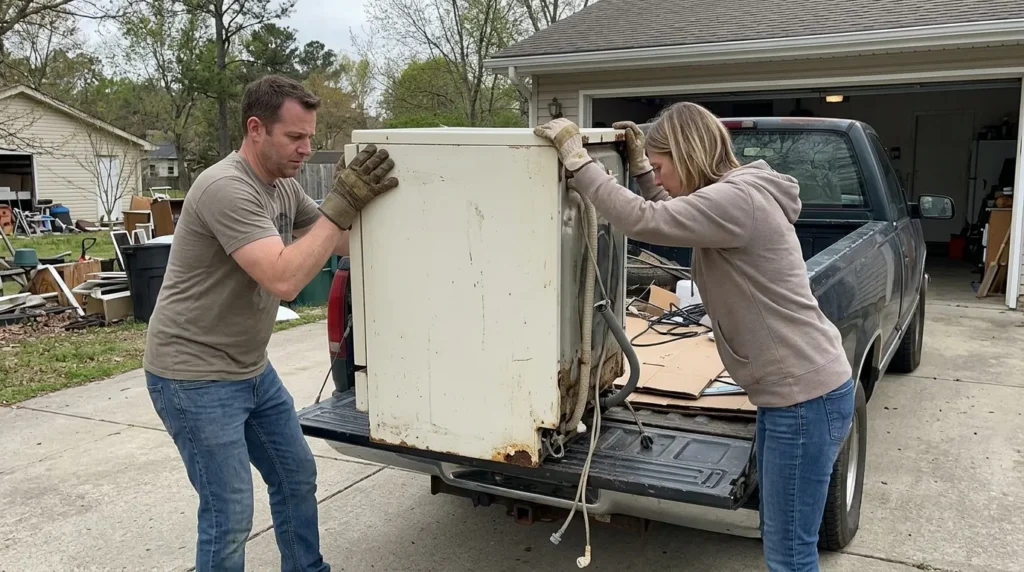
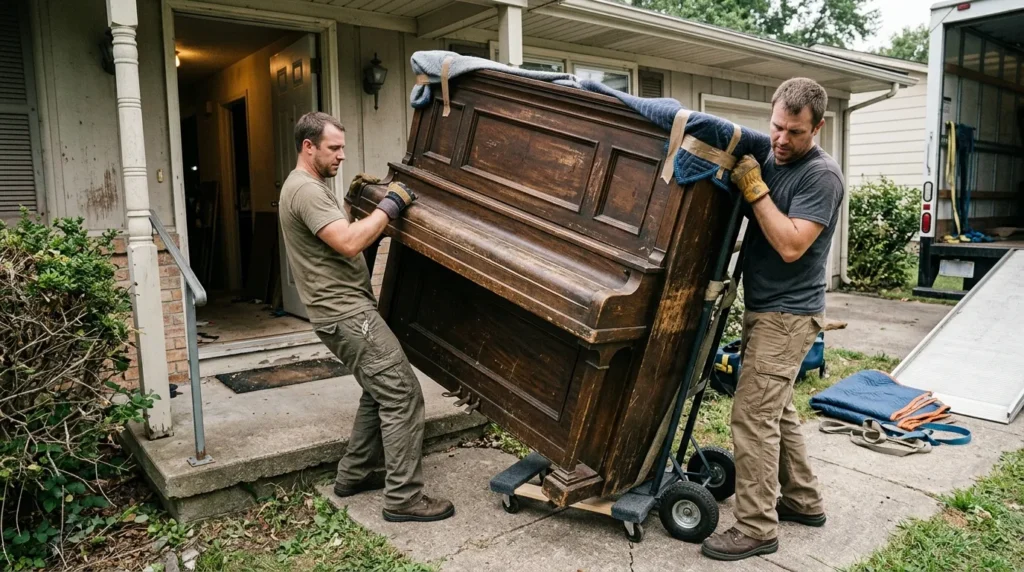
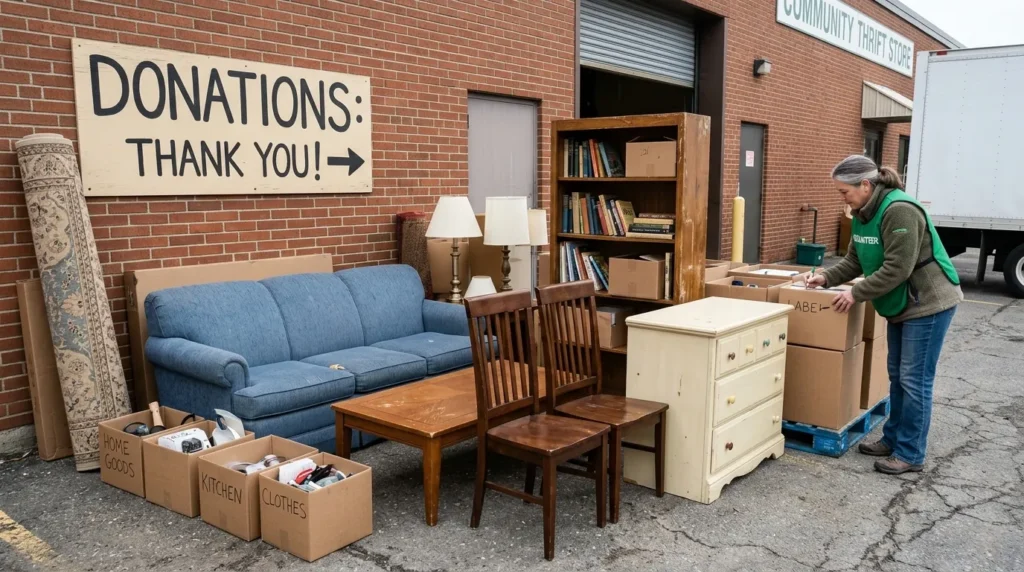
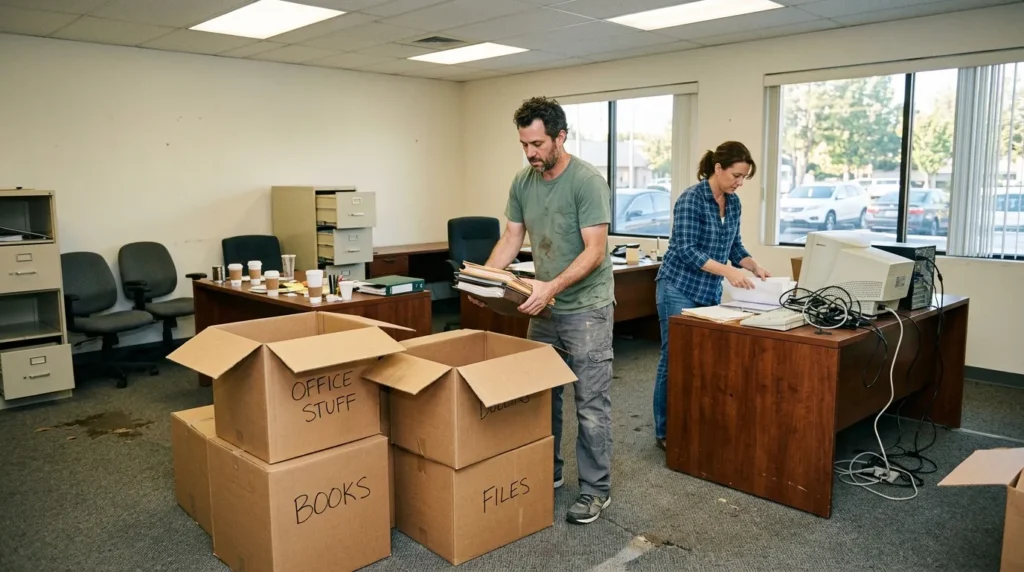
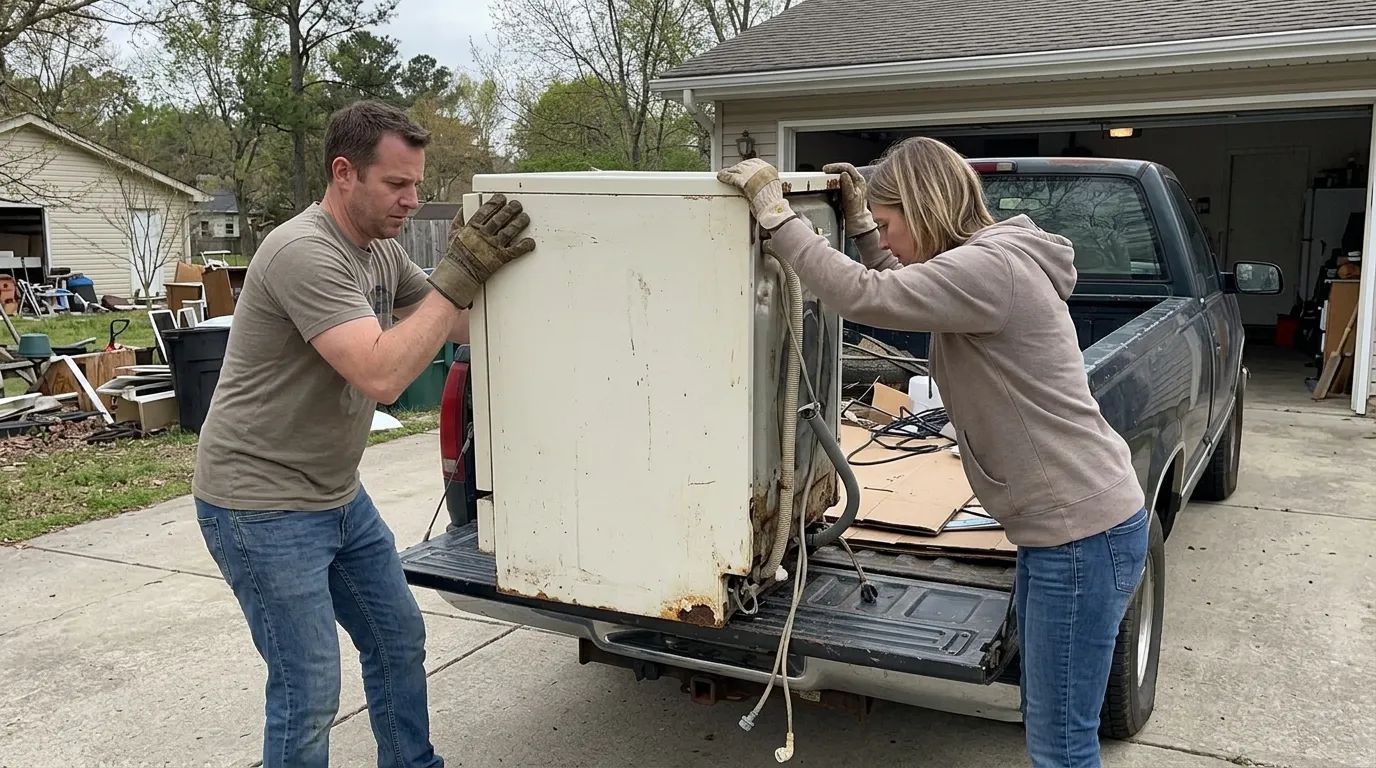
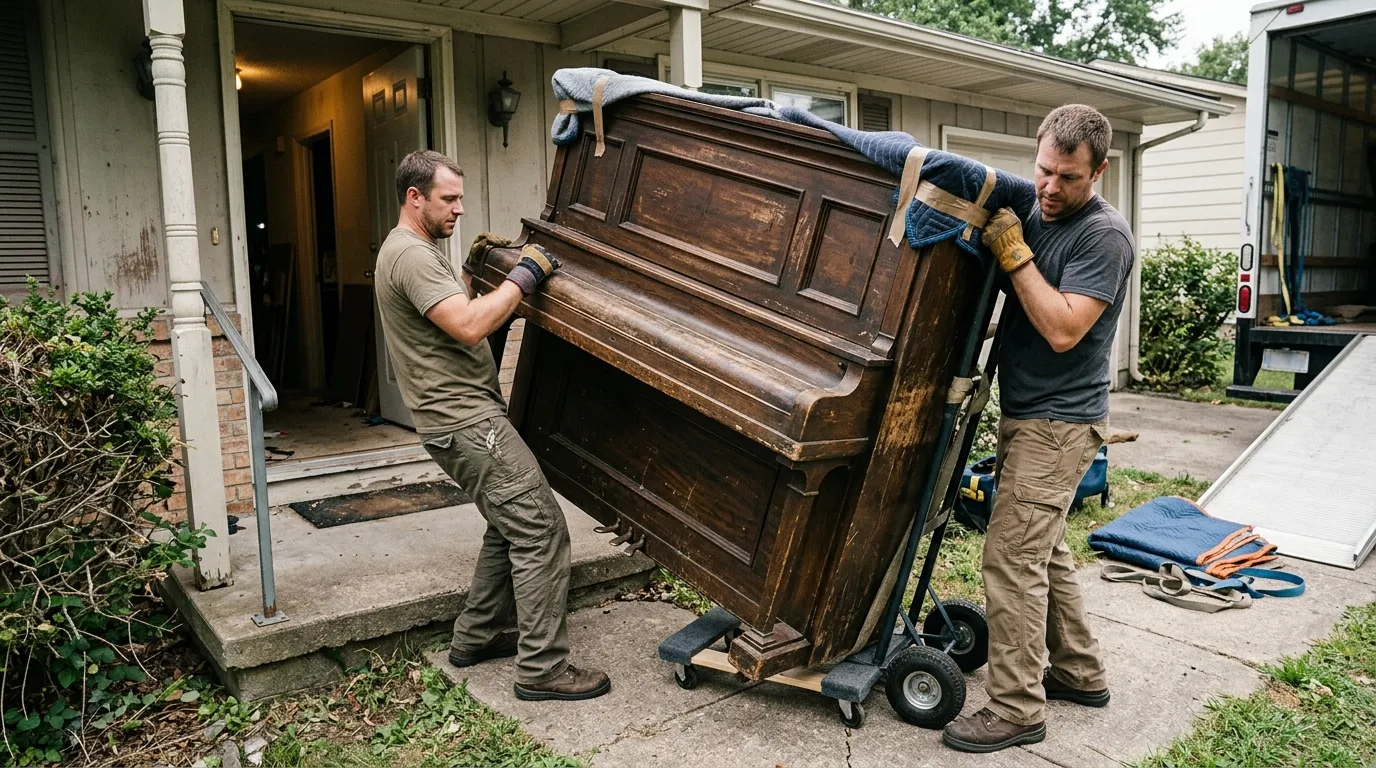
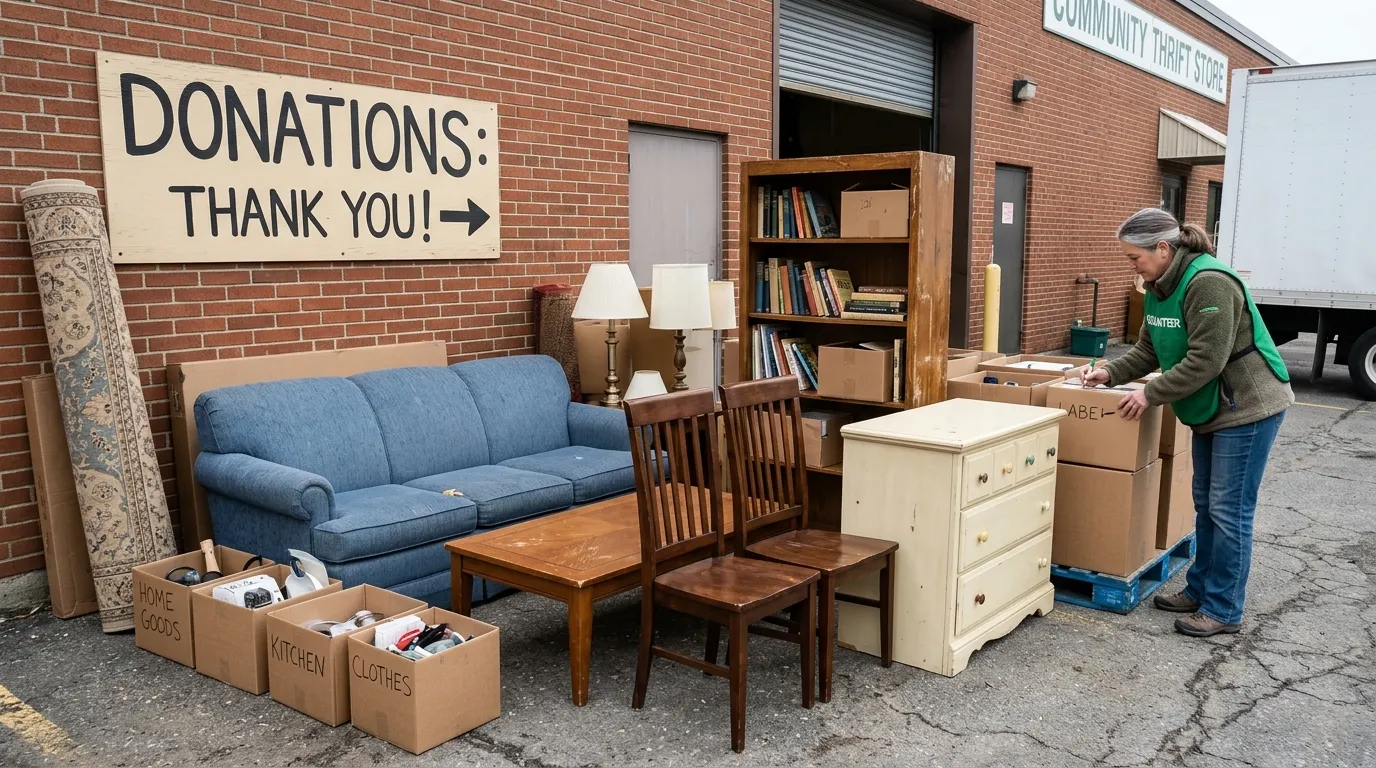
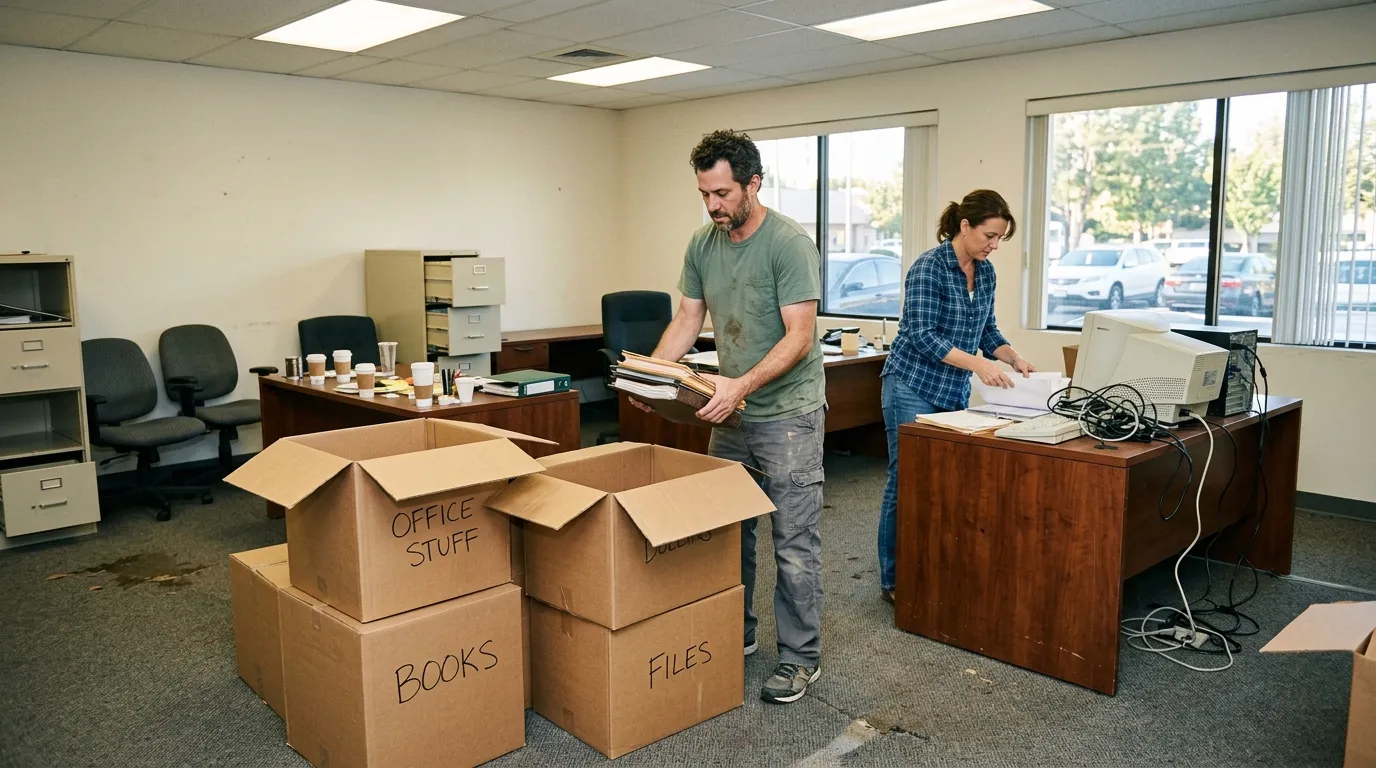
Before the house is demolished, remove everything you want to keep. This includes furniture, clothing, electronics, documents, appliances, tools, decorations, and other personal items.
Walk through every room, closet, basement, attic, garage, and storage area. It is easy to forget items in places that are not used often.
Once demolition starts, anything left inside the house may be damaged or destroyed.
It can help to make a room-by-room checklist before the demolition date. Remove important documents and valuable items first, then deal with larger belongings and anything that needs special transportation.
5. Check for Hazardous Materials
Older houses may contain materials that require special handling before demolition. Depending on the age and condition of the property, these may include asbestos-containing materials, lead-based paint, certain insulation products, old electrical components, or other potentially hazardous materials.
Do not assume that an old material is safe just because it looks normal. Some hazardous materials cannot be identified reliably by appearance alone.
If there is a concern about hazardous materials, arrange the appropriate inspection or testing before demolition. If a hazardous material is found, it may need to be removed by qualified professionals before general demolition begins.
Handling these materials properly can help protect workers, occupants, neighbors, and the surrounding property.
6. Remove Valuable or Reusable Items
Not everything inside or around an old house needs to be destroyed. Some items may still have value or could be reused in another project.
Before demolition, consider whether you want to save items such as doors, cabinets, lighting fixtures, plumbing fixtures, hardwood flooring, bricks, appliances, windows, or other materials.
Some property owners also choose to salvage architectural features or materials with sentimental value.
If you plan to remove anything from the building, discuss it with your demolition contractor first. The timing and method of removal may depend on the demolition plan.
Removing reusable items before heavy demolition begins can also make the process more organized.
7. Secure the Property and Work Area
The property should be prepared so that people who are not involved in the demolition do not enter the work area.
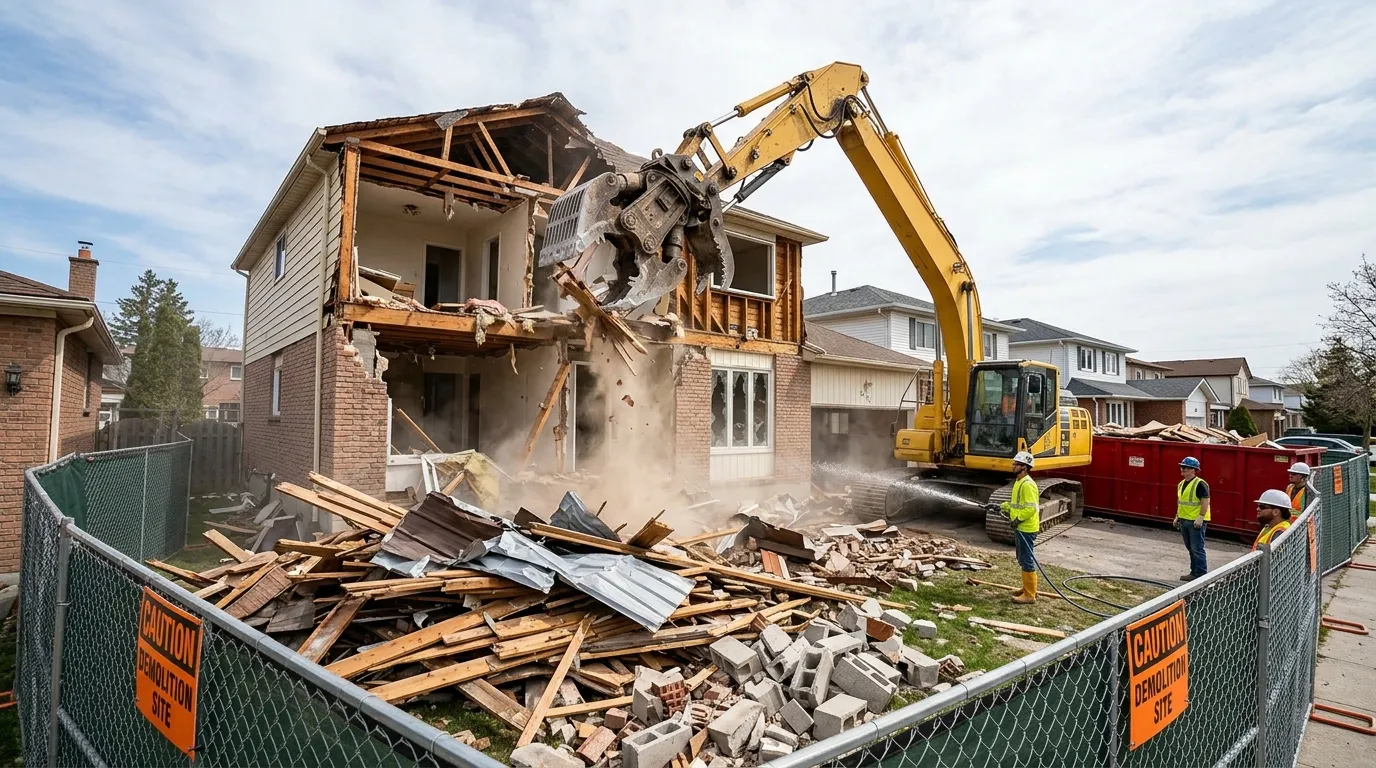
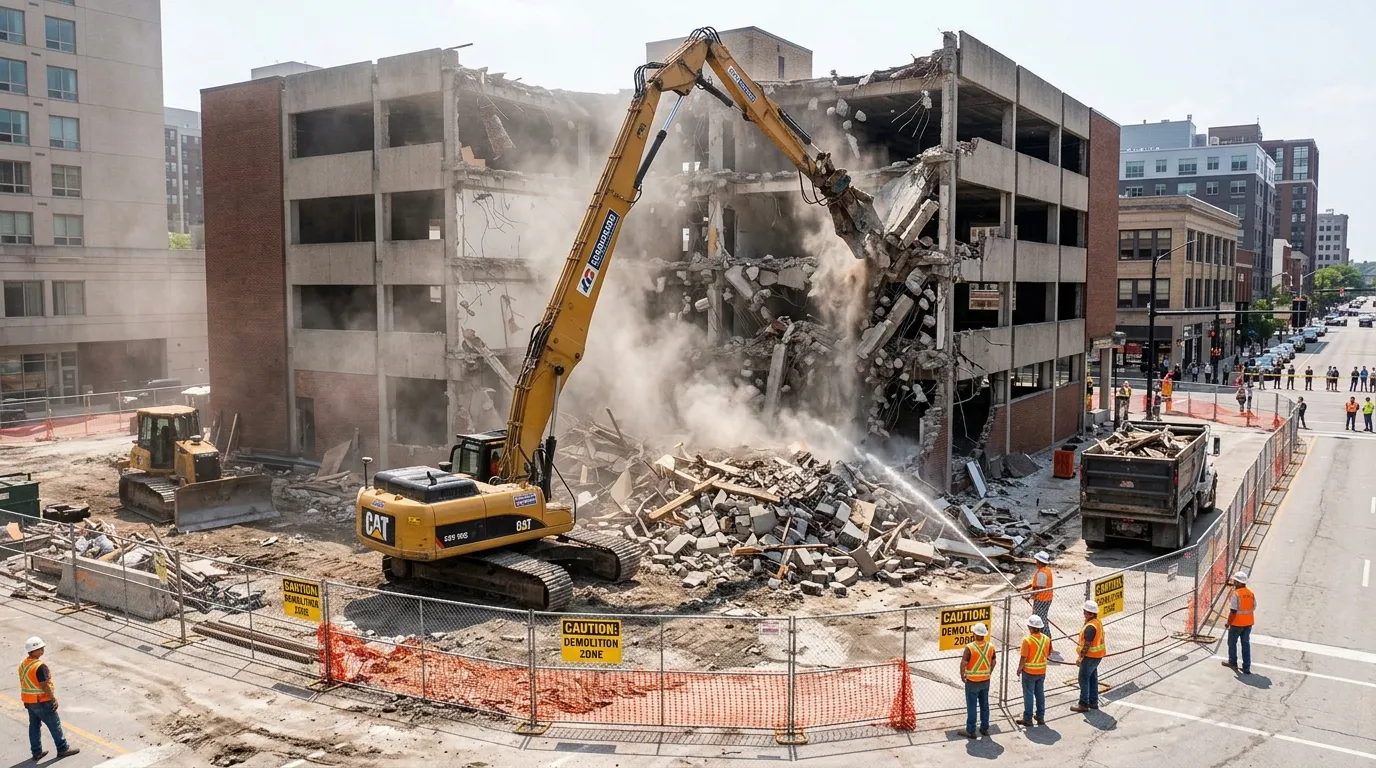
Keep children, pets, visitors, and unauthorized people away from the house and surrounding work zone. Depending on the property, temporary fencing, signs, barriers, or other safety measures may be needed.
Clear unnecessary vehicles, equipment, and other objects from areas where demolition machinery will operate.
Your contractor can assess the property and determine how the work area should be arranged. This may include planning equipment access, keeping people away from dangerous areas, and protecting parts of the property that will remain.
8. Plan for Debris Removal
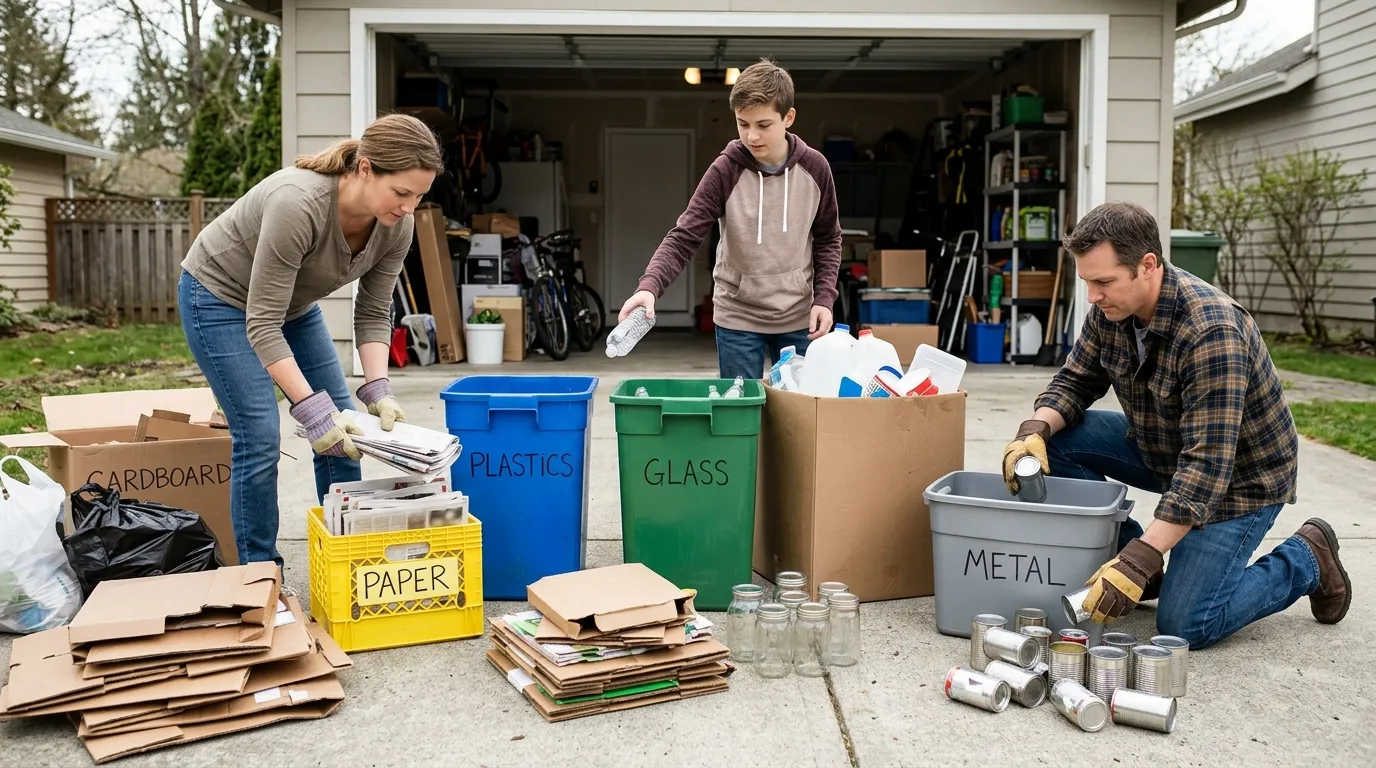
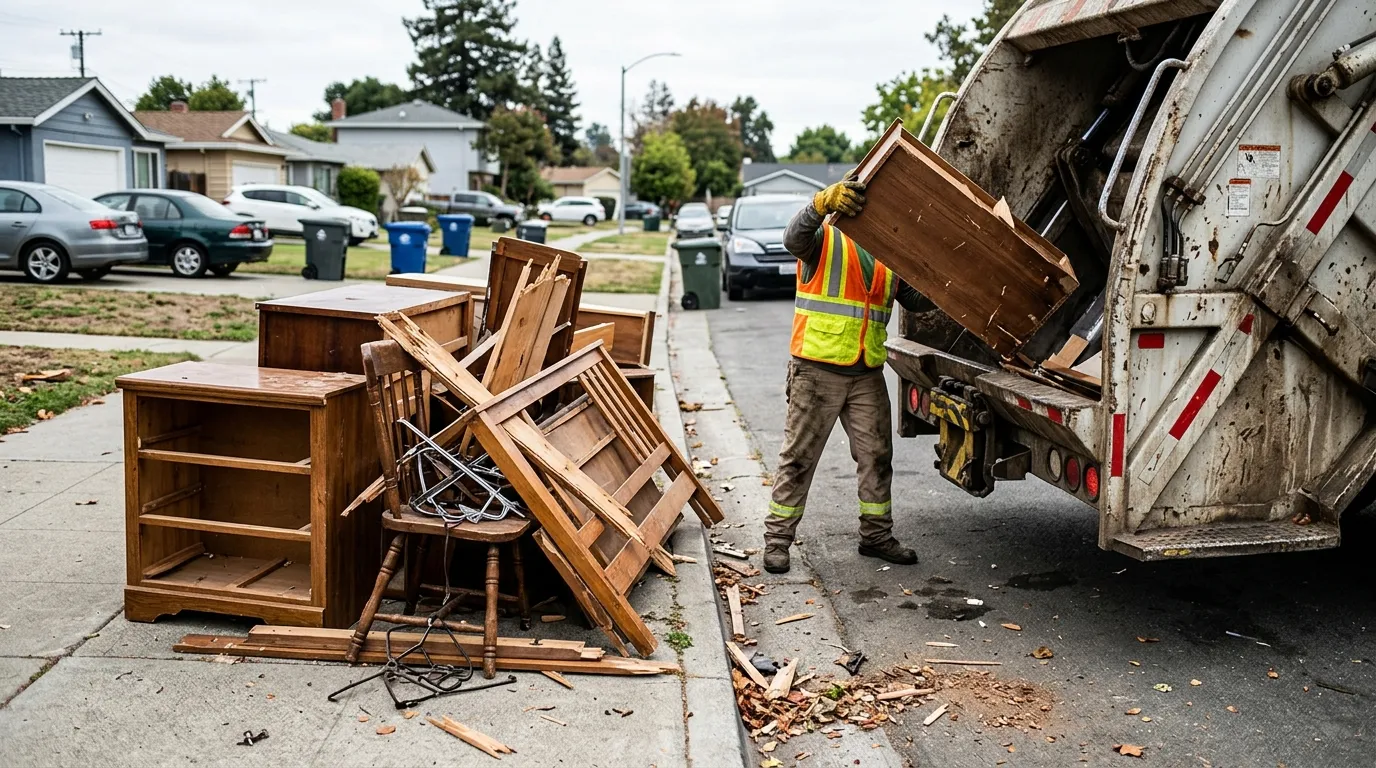
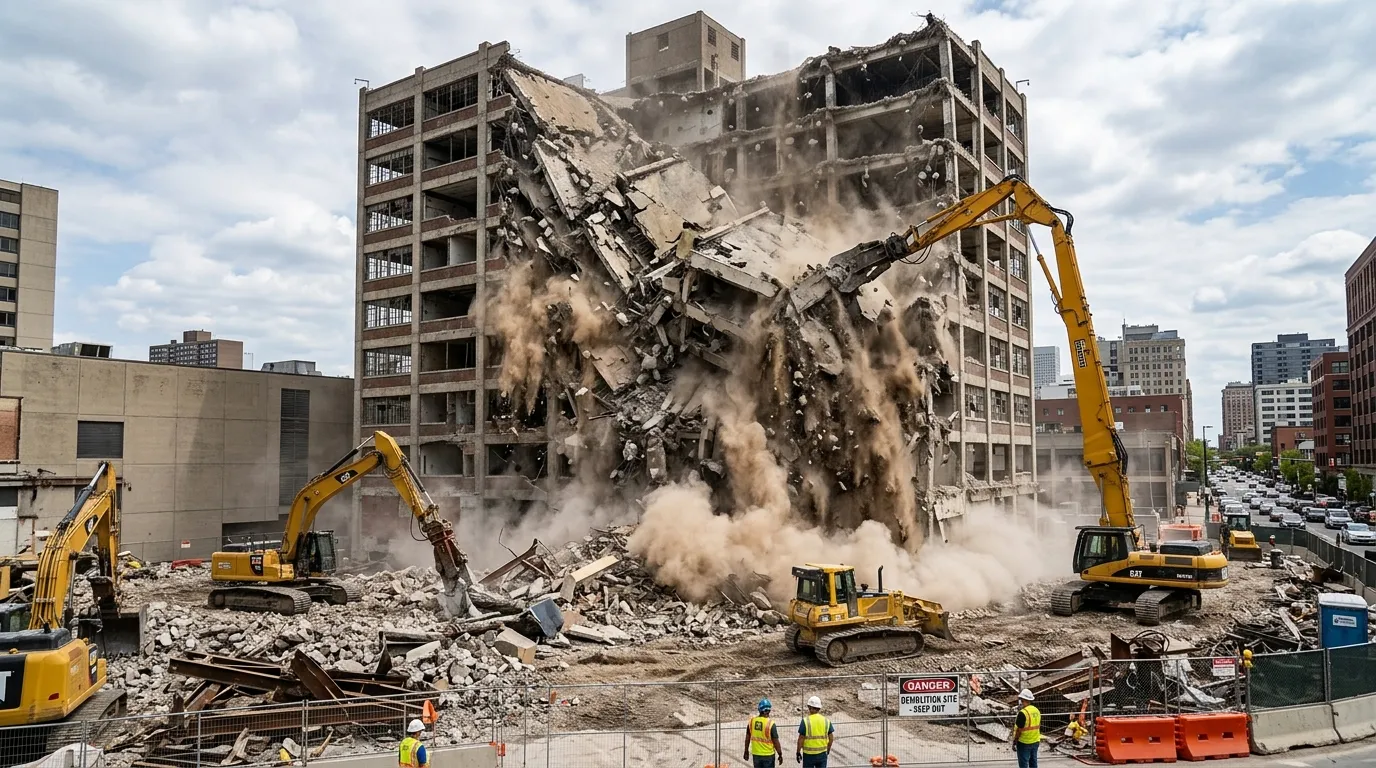
A house demolition can produce a large amount of debris. Wood, concrete, drywall, roofing materials, metal, glass, insulation, and other materials may need to be collected and transported away.
Talk to your demolition contractor about how debris will be handled before the project begins. Ask whether cleanup and disposal are included in the service and how different materials will be handled.
You should also consider where trucks, dumpsters, and other equipment will be placed. Poor planning can make it harder for trucks and machinery to enter or leave the property.
A clear debris removal plan helps keep the site organized during demolition and makes cleanup easier after the structure is removed.
9. Inform Nearby Property Owners if Needed
House demolition can involve noise, dust, heavy equipment, trucks, and temporary changes to access around the property. If the house is close to neighboring homes or businesses, it may be useful to inform nearby property owners about the planned work.
You can provide basic information such as the expected start date and the general length of the project.
This is especially helpful when demolition equipment needs to operate near a shared driveway, road, fence, or neighboring structure.
Your contractor should also follow applicable local requirements for controlling dust, debris, noise, and other effects of the work.
10. Confirm the Demolition Plan With Your Contractor
Before demolition begins, go over the complete plan with your contractor. Make sure both sides are clear about what will be demolished and what needs to remain.
Discuss the demolition date, equipment access, utility status, debris removal, site cleanup, hazardous materials, and any special instructions for the property.
If there are structures you want to keep, such as a detached garage, fence, driveway, trees, or another building, point them out clearly.
It is also a good idea to confirm what happens after the house is removed. Some projects may require additional cleanup, grading, excavation, or preparation for new construction.
A clear plan can help everyone know what to expect before the work starts.
Conclusion
Preparing a house for demolition requires careful planning before the first wall comes down. Check local requirements, arrange permits, disconnect utilities, remove personal belongings, address hazardous materials, and prepare the site for equipment and debris removal.
Working with a professional demolition contractor can make these steps easier to manage. Once the property is properly prepared, the demolition crew can focus on removing the structure safely and leaving the site ready for its next use.
Also Read: 10 Benefits of Hiring Demolition Services in Kalispell