When a building is demolished, the work does not end when the structure comes down. A large amount of material is left behind, including concrete, wood, metal, glass, bricks, roofing, and other waste. These materials need to be collected, sorted, recycled, reused, or taken to the right disposal facilities. After the waste is removed, the site is cleaned and prepared for its next use.
1. Demolition Debris Is Collected
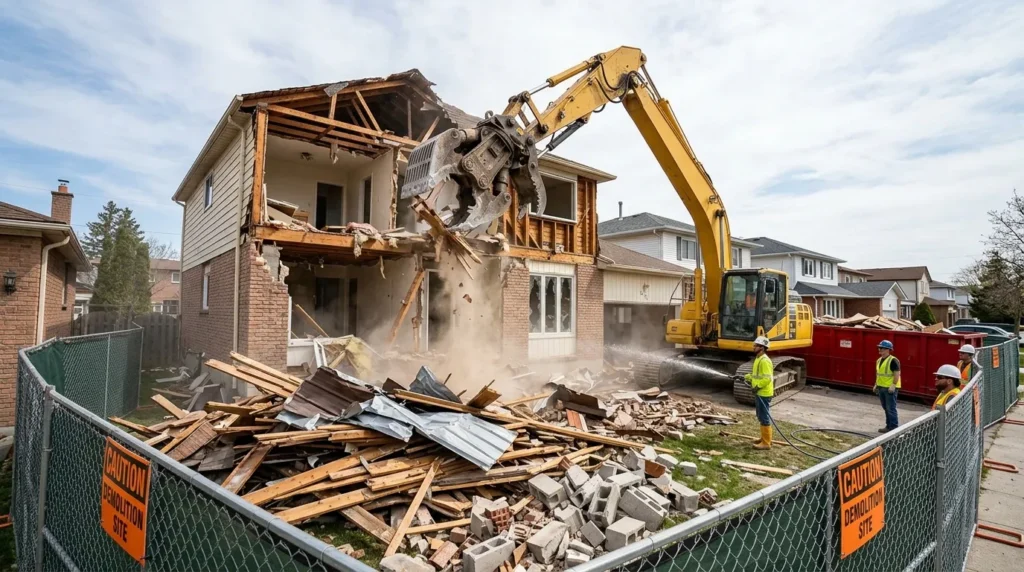
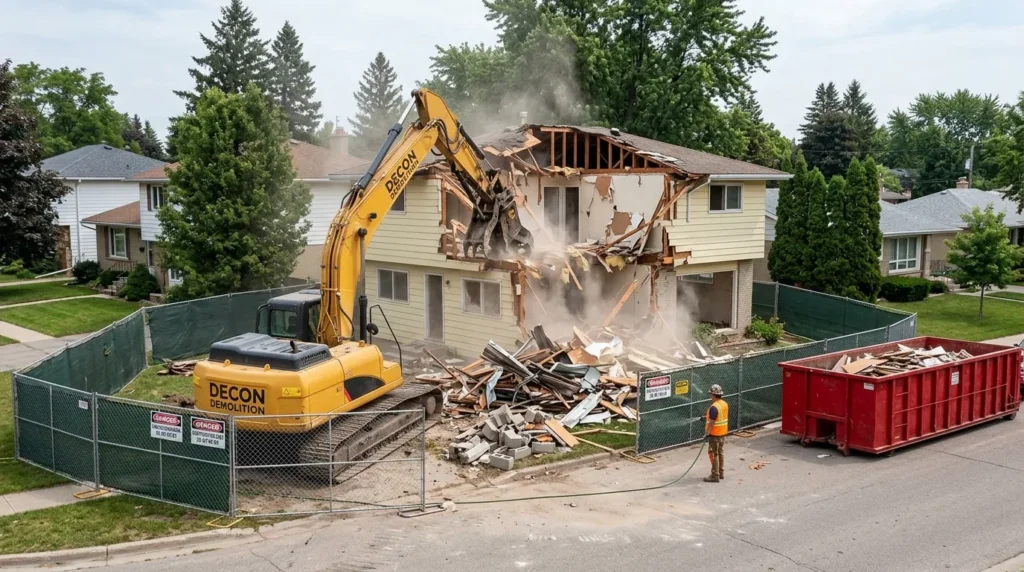
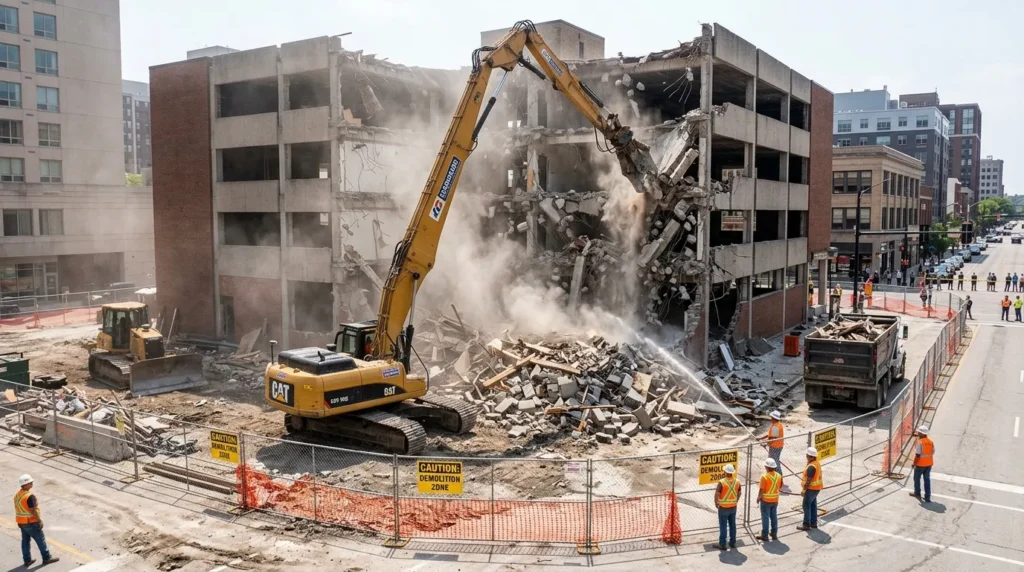
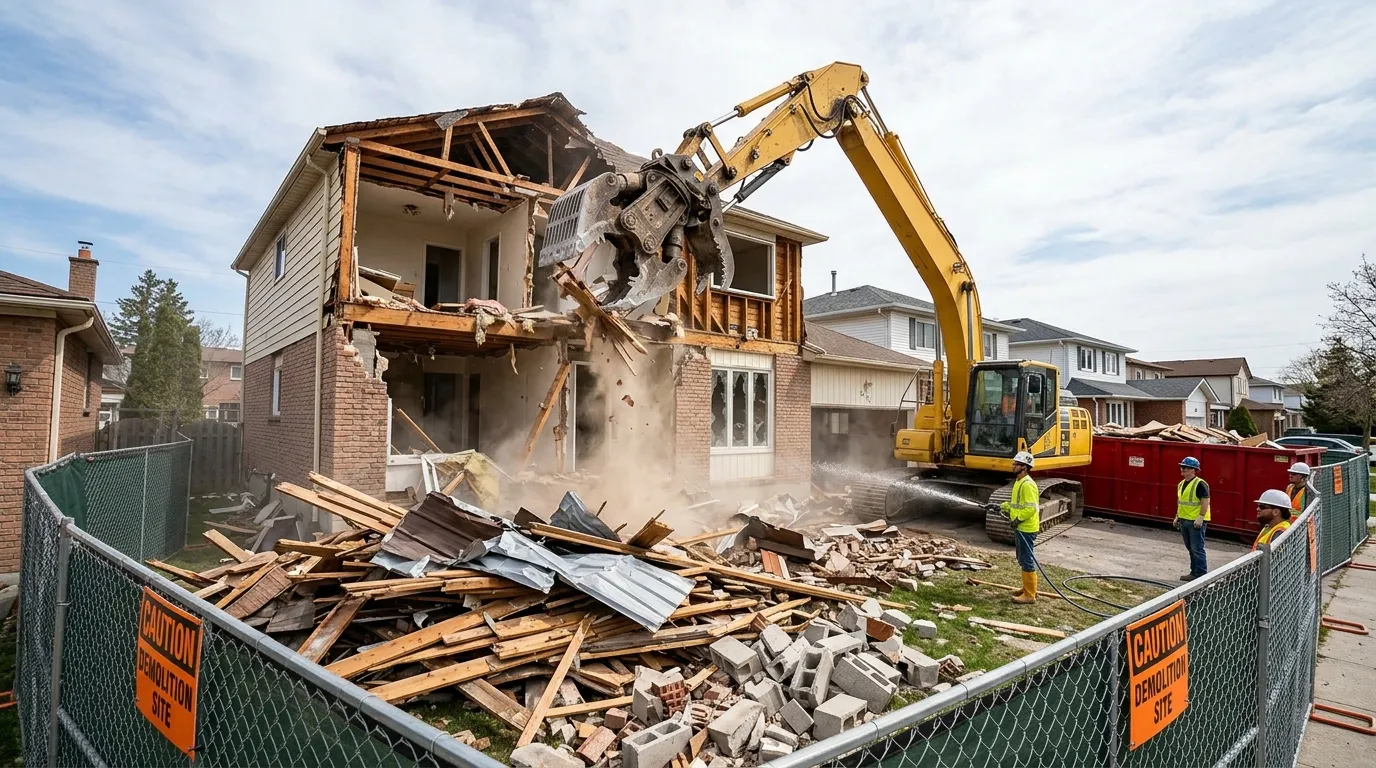
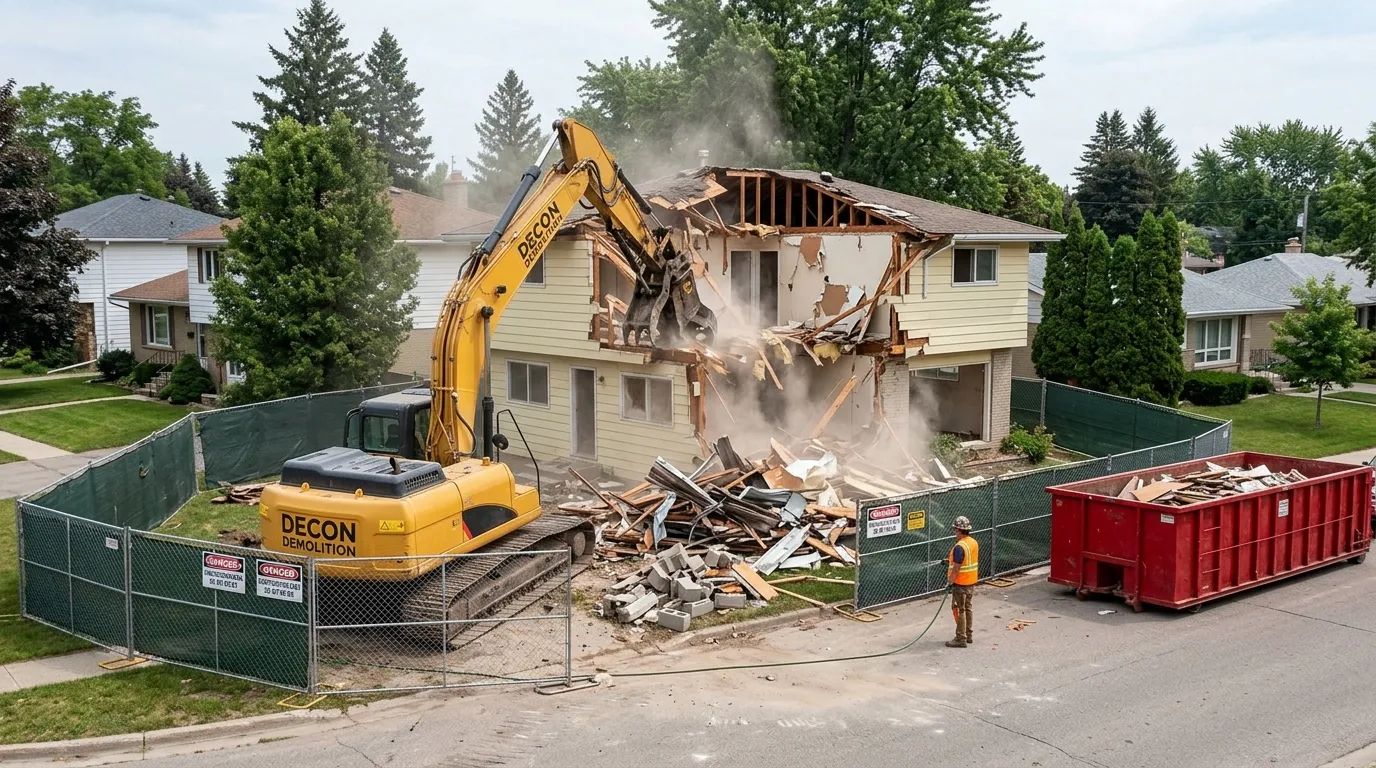
After the building has been taken down, workers collect the debris left across the site. This can include large pieces of concrete, wood, bricks, drywall, metal, glass, and other materials. Heavy equipment such as excavators and loaders may be used to move large pieces of debris.
The debris is usually placed into piles or loaded directly into trucks. Keeping the work area organized makes it easier to sort the materials and remove them from the property.
2. Materials Are Sorted
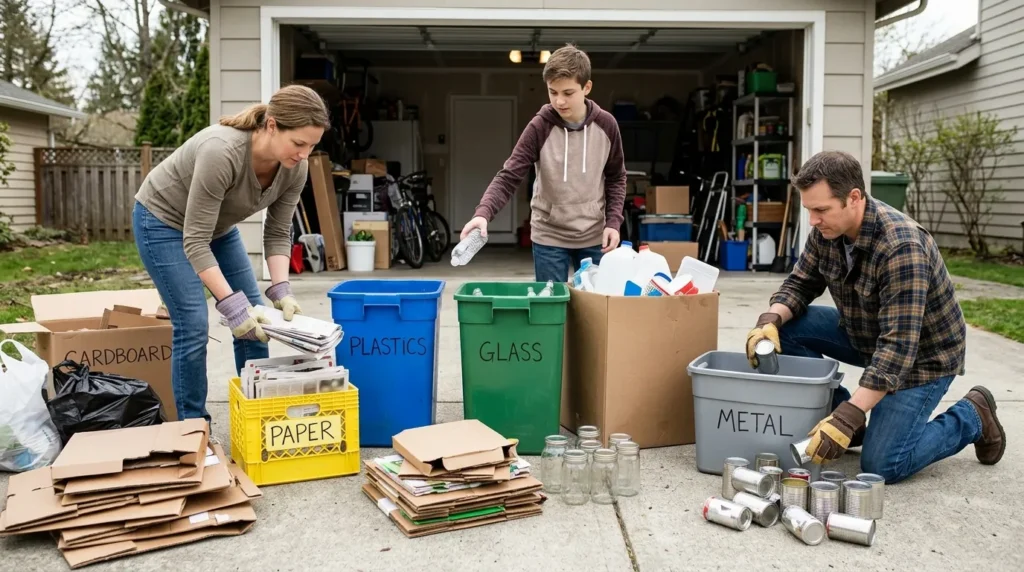
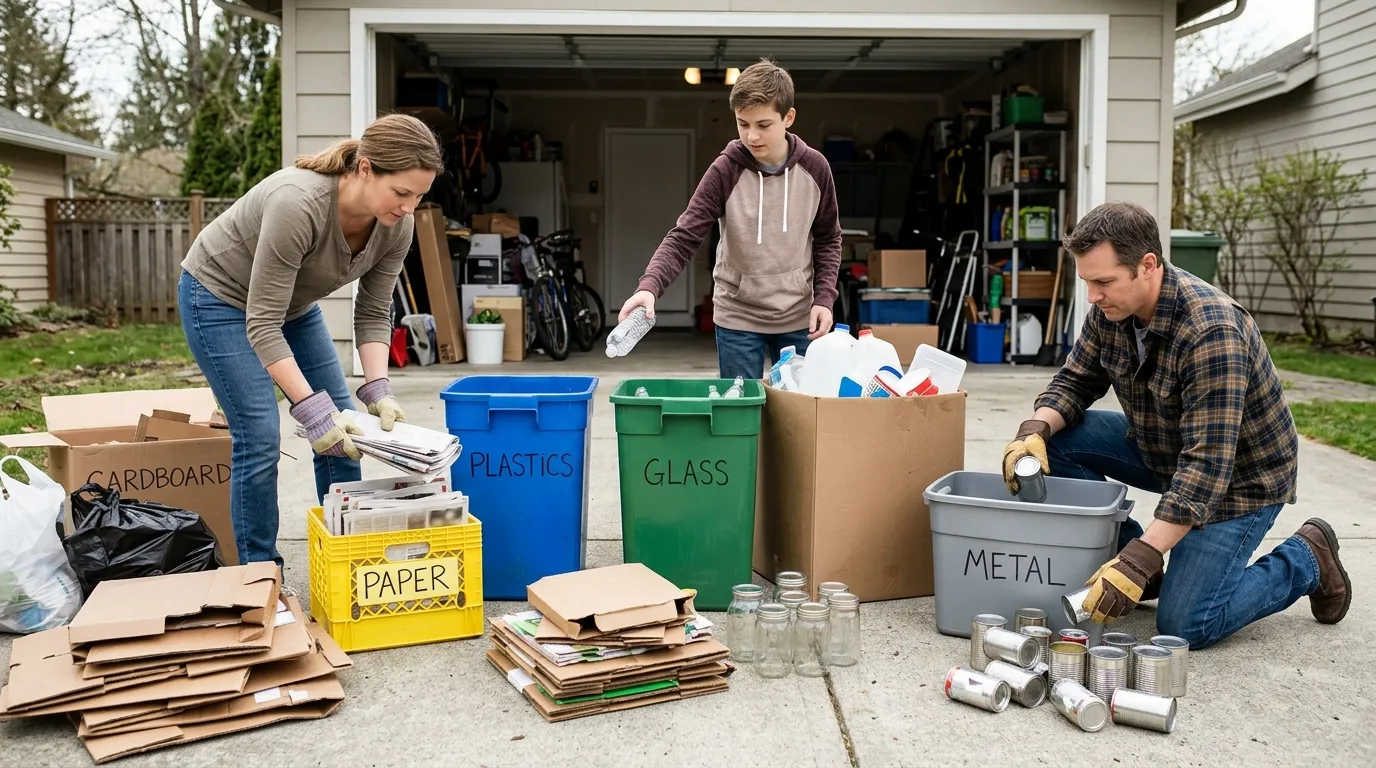
The demolition waste is then sorted into different groups. Materials such as concrete, metal, wood, bricks, and other items may be separated because each type can have a different recycling or disposal method.
Sorting helps prevent useful materials from being mixed with general waste. It also makes it easier to send recyclable materials to the right facilities.
3. Reusable Items Are Recovered
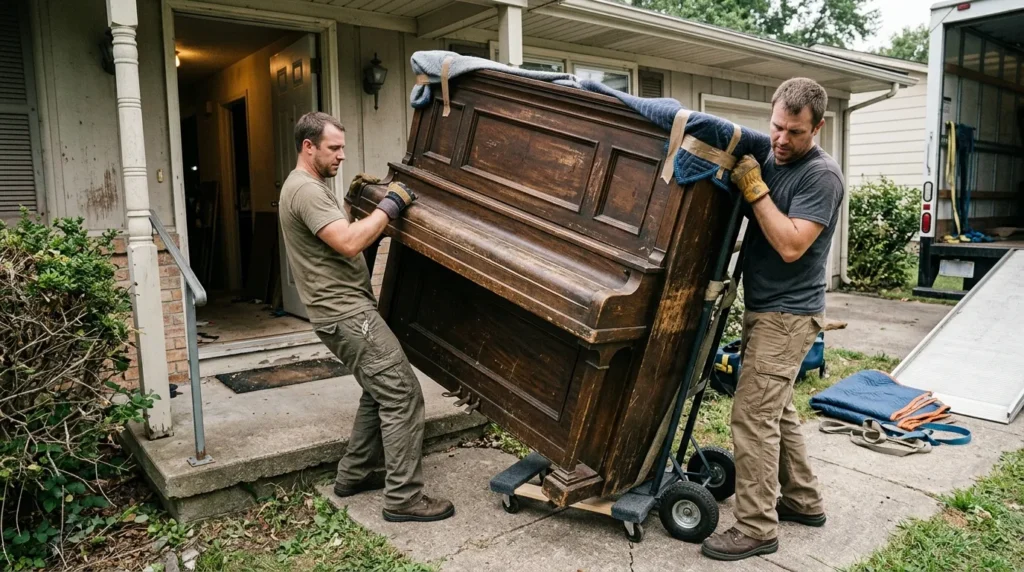
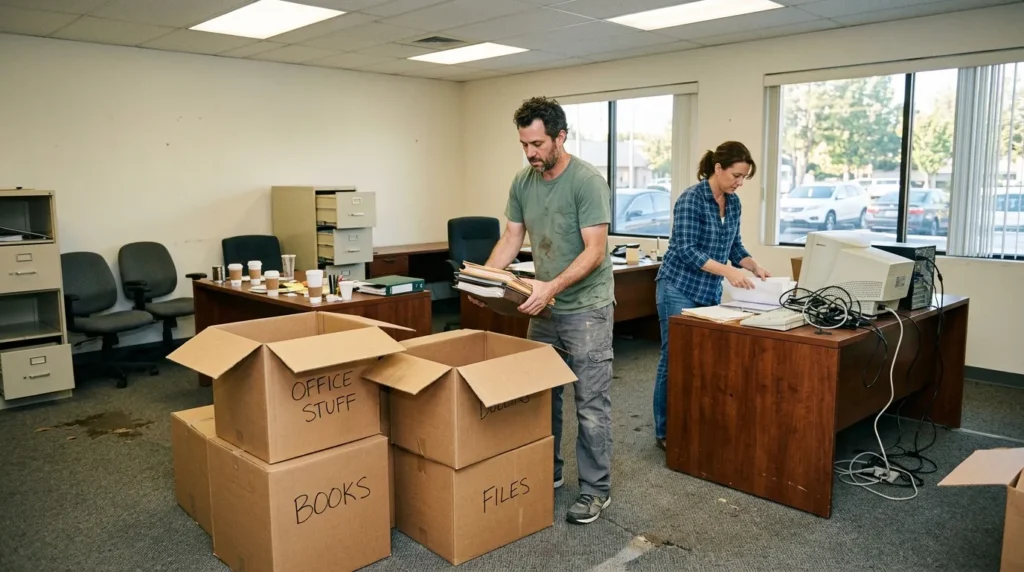
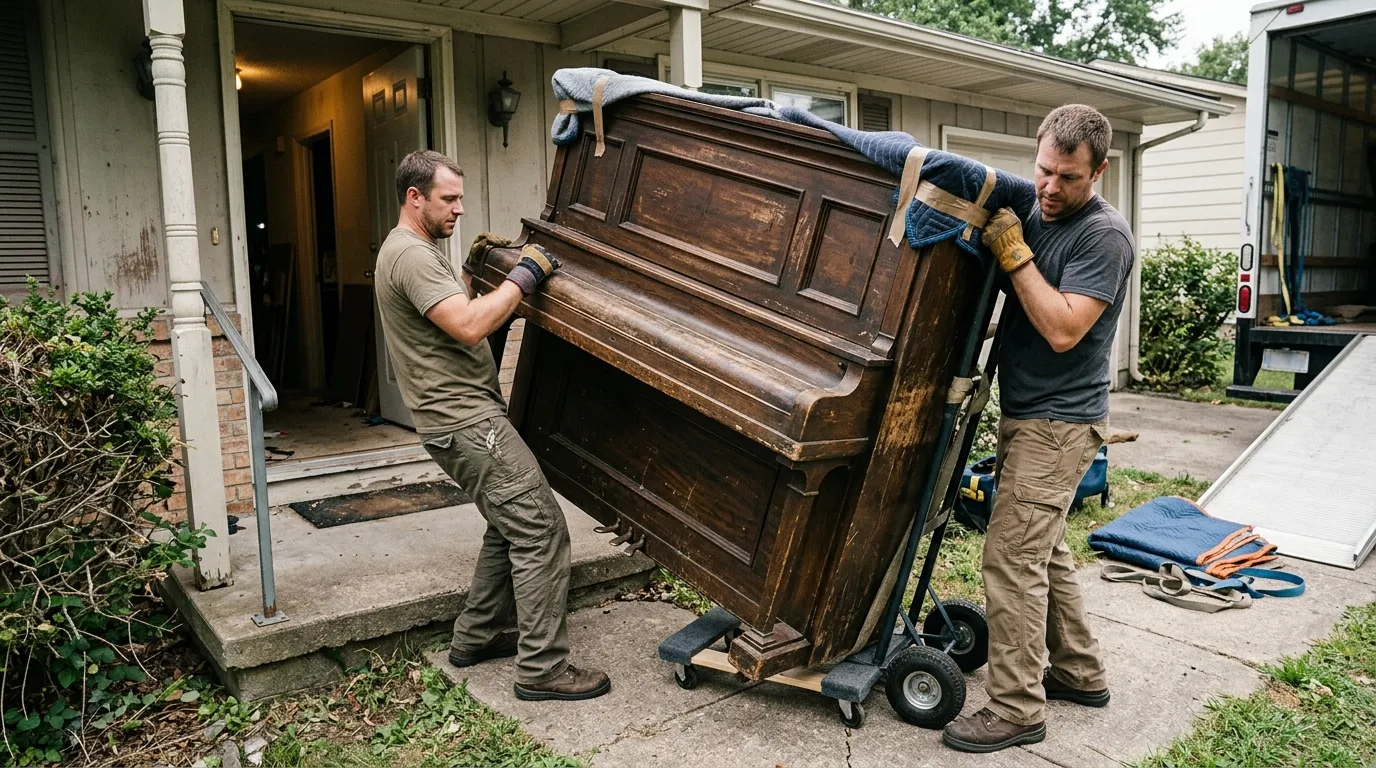
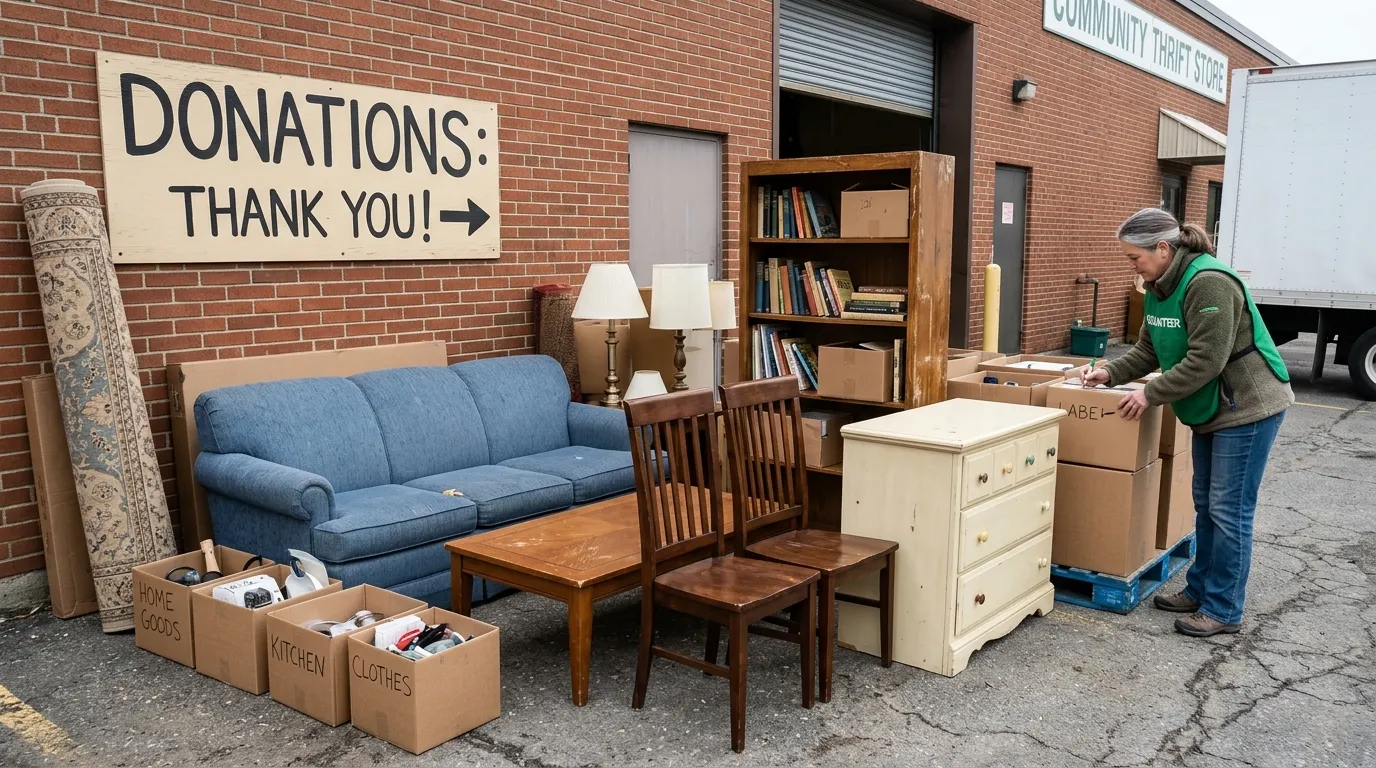
Some items from a demolished building may still be in good condition. Doors, windows, cabinets, fixtures, bricks, and certain building materials can sometimes be removed before or during demolition and reused.
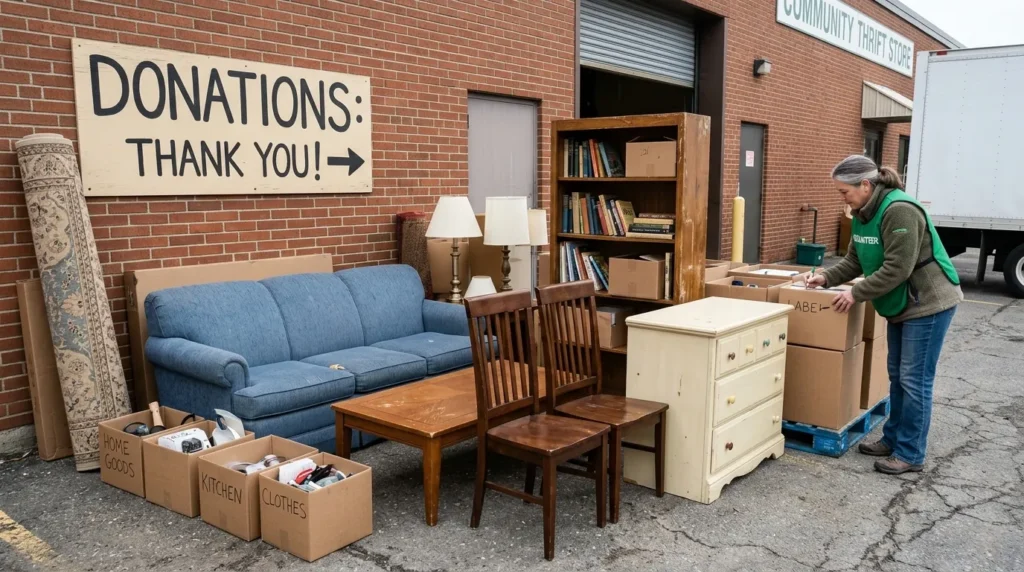
Reusable items may be sold, donated, stored, or used in another construction project. Recovering these items can reduce waste and give materials a second use.
4. Metal Is Separated for Recycling
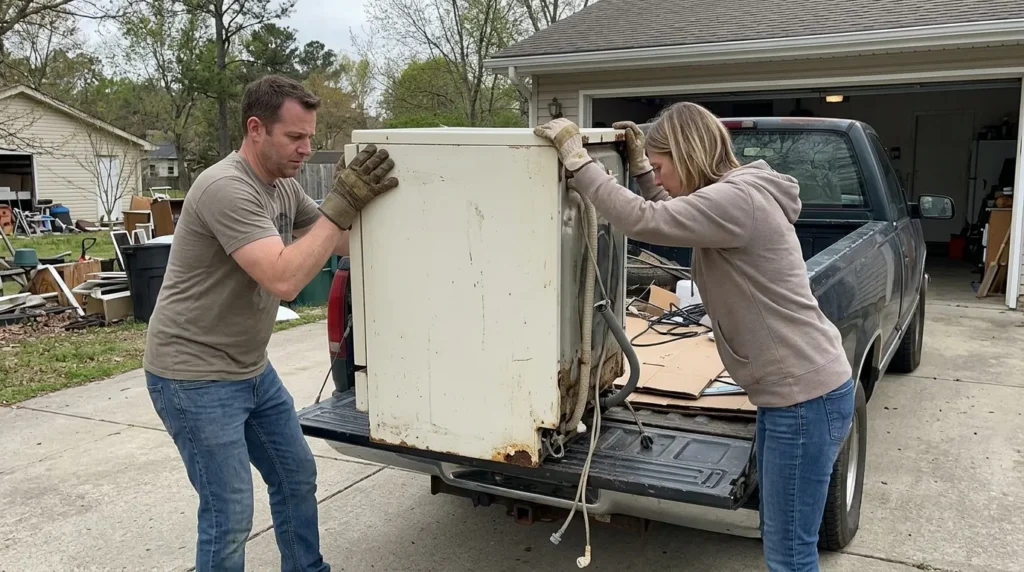
Metal is one of the common materials found in demolition waste. Steel beams, pipes, wiring, fixtures, and other metal parts can often be separated from the rest of the debris.
After collection, the metal is taken to a recycling facility. It can be processed and used to make new metal products. Recycling metal also reduces the need for new raw materials.
5. Concrete and Bricks Are Processed
Concrete and bricks can create a large part of the waste from a demolished building. Instead of sending all of this material to a landfill, it may be crushed and processed for reuse.
Crushed concrete and bricks can sometimes be used as a base for roads, driveways, construction areas, or other projects. The exact use depends on the material’s condition and local rules.
6. Wood and Other Materials Are Sorted
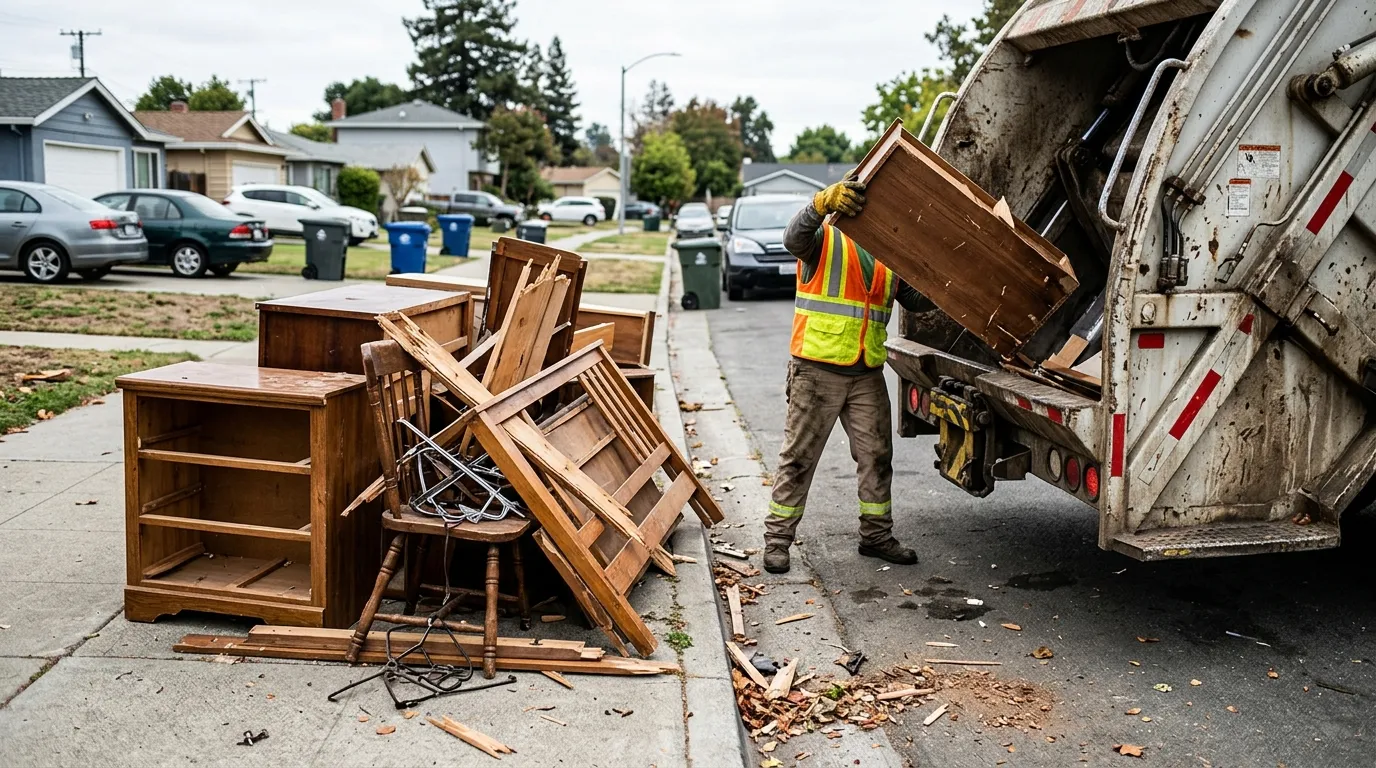
Wood from walls, floors, roofs, doors, and other parts of a building may be separated from other demolition waste. Clean wood may have options for reuse or recycling, while damaged or treated wood may need different handling.
Other materials, such as glass, drywall, plastic, and roofing materials, may also be separated when recycling or special disposal options are available.
7. Hazardous Waste Is Handled Safely
Some buildings contain materials that need special handling. Examples can include asbestos, lead-based materials, chemicals, certain insulation products, and other hazardous substances.
These materials should be identified and handled according to local safety rules. They should not simply be mixed with normal demolition waste. Qualified workers may be required to remove and transport them safely.
8. Waste Is Sent to Proper Facilities
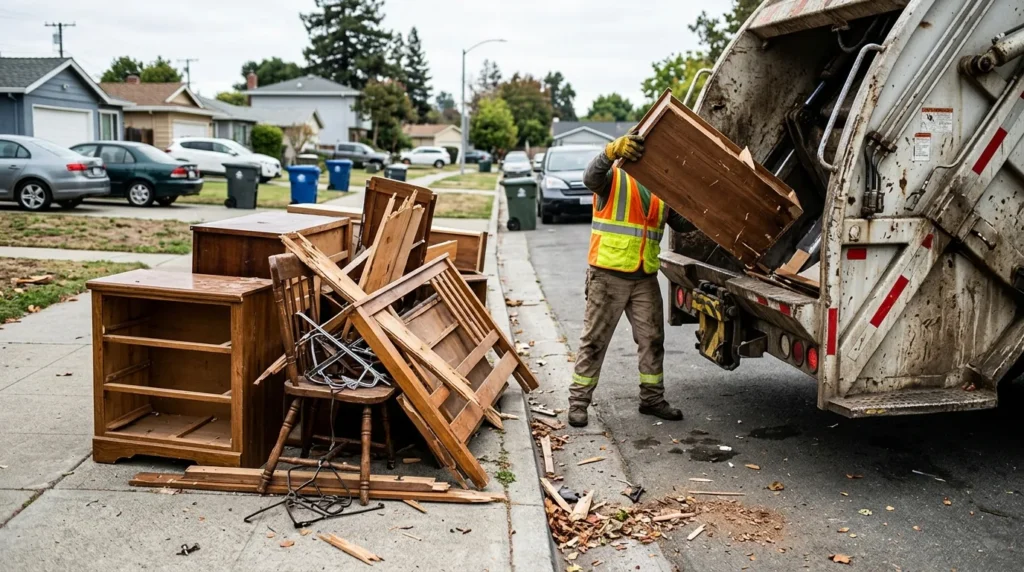
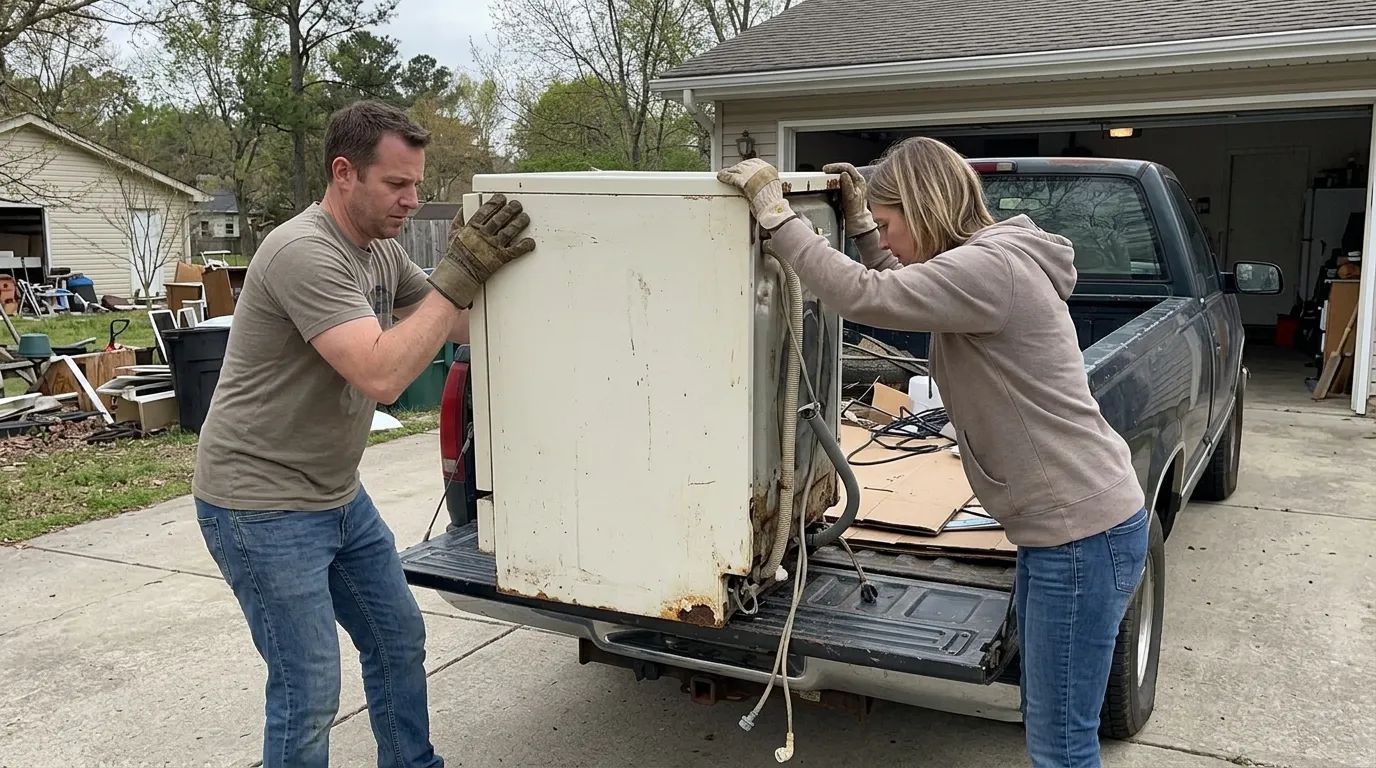
Once materials have been sorted, they are transported to the right places. Recyclable materials may go to recycling facilities, reusable items may be taken for reuse, and other waste may be sent to approved disposal sites.
The type of facility used depends on the material and local waste rules. Proper disposal helps prevent harmful materials from ending up in places where they could cause problems.
9. The Site Is Cleared and Cleaned
After the demolition waste has been removed, workers clean the property. Small pieces of concrete, wood, glass, nails, and other debris are collected from the area.
The contractor may also remove temporary barriers and equipment after the work is finished. A final check is usually made to make sure the site is clear and safe.
10. The Ground Is Prepared for Future Use
The final step may involve preparing the land for whatever comes next. The ground may be leveled, filled, compacted, or graded depending on the plans for the property.
The site could later be used for a new home, commercial building, parking area, garden, or another project. If new construction is planned, additional soil testing or foundation preparation may also be needed.
Can Demolition Materials Be Reused?
Yes, many demolition materials can be reused or recycled. Concrete, bricks, metal, wood, and some fixtures may have another use. However, not every material can be recycled. Its condition, type, contamination, and local recycling rules all affect what can be done with it.
A demolition contractor can explain which materials from the building may be recovered and how they will be handled.
What Happens to Demolition Waste?
Demolition waste does not all go to the same place. Some materials are recycled, some are reused, and some must be disposed of at approved facilities. Hazardous materials require special handling.
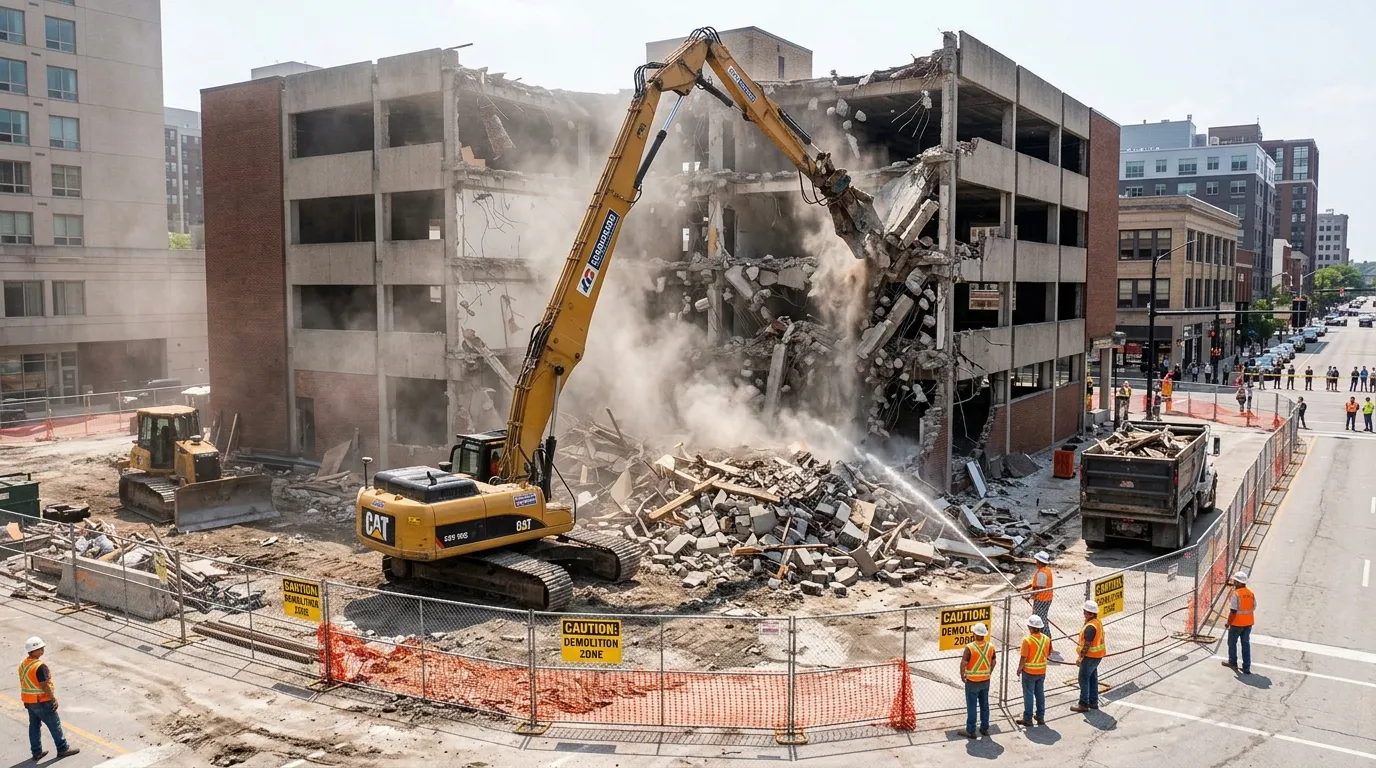
The amount of waste produced depends on the size and type of building. A large commercial building can produce much more waste than a small house, but both require proper waste management.
Final Thoughts
After a building is demolished, the remaining materials go through several steps before the property is ready for its next use. Workers collect and sort the debris, recover reusable items, recycle suitable materials, and safely handle hazardous waste. Once everything has been removed, the site is cleaned and the ground can be prepared for a new project. Proper demolition waste management helps keep the property safe and reduces the amount of material sent to landfills.
Also Read: What To Expect During a House Demolition?