House demolition is a big project that involves much more than bringing down a building. Before the work starts, the property needs to be checked, utilities must be disconnected, and the site needs to be made safe. The demolition crew then removes the house in a planned way, handles the waste, and cleans the site after the building is gone. Knowing what to expect can help you prepare your property, budget, and schedule.
1. Property Inspection
The first step is usually a full inspection of the house. A demolition contractor checks the building, its structure, size, access points, and condition. They also look for materials that may need special handling, such as asbestos, lead-based paint, or other harmful materials. The contractor may also check nearby buildings, fences, trees, driveways, and other areas that could be affected by the work.
This inspection helps the contractor decide how the house should be demolished and what equipment will be needed. It can also help identify problems that could increase the cost or time of the project.
2. Demolition Permits
In many areas, you need a permit before you can demolish a house. The exact rules depend on your local government. Your contractor may help you apply for the required permits and make sure the project follows local rules.
You may also need approval related to waste disposal, environmental rules, or nearby utilities. It is better to complete these steps before demolition begins. Starting work without the required approval can lead to delays, fines, or other problems.
3. Utility Disconnection
Before the house is demolished, the main utilities must be safely disconnected. This can include electricity, gas, water, sewer, and other services connected to the property.
Only qualified workers or the relevant utility companies should handle these connections. A demolition crew should not start major work while active utility lines are still connected. Proper disconnection helps reduce the risk of fire, electric shock, flooding, gas leaks, and other accidents.
4. Hazardous Material Checks
Older houses may contain materials that need special care during demolition. Asbestos is one example. It may be found in insulation, roofing materials, flooring, pipes, or other parts of an older building. Lead paint and certain chemicals can also create problems.
If hazardous materials are found, they usually need to be removed and disposed of under specific safety rules before the main demolition starts. This work should be done by properly trained professionals. Do not try to remove suspected hazardous materials yourself.
5. Site Preparation
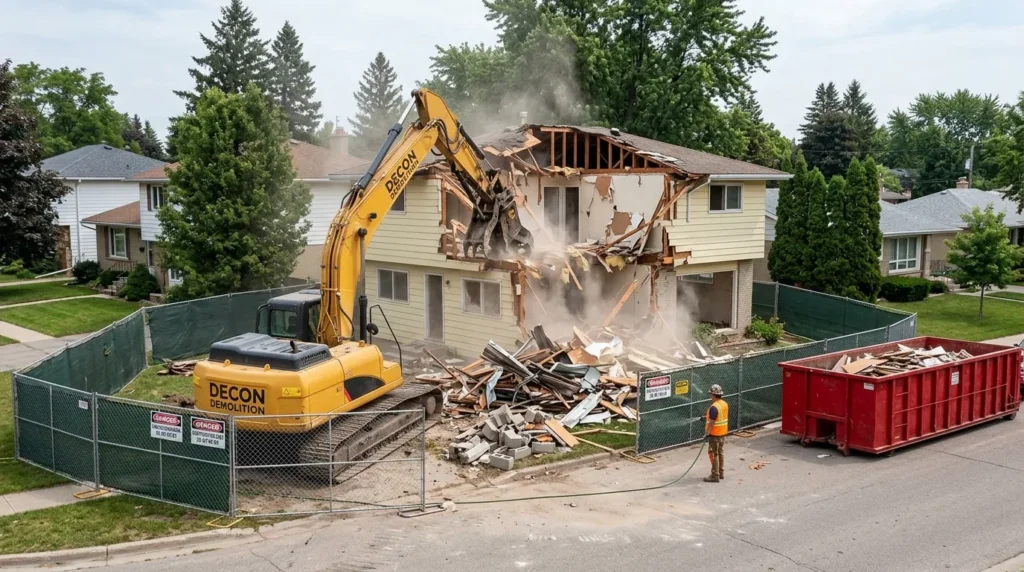
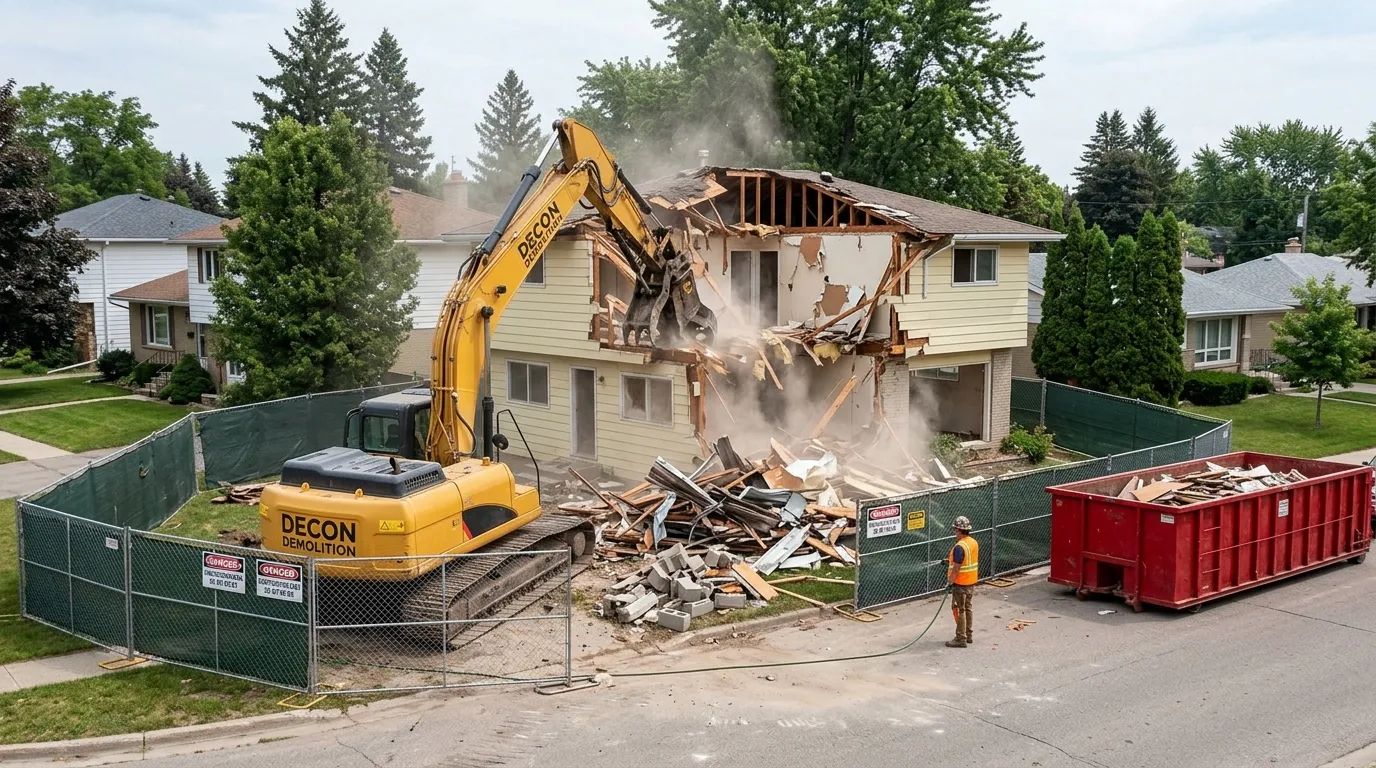
The demolition team prepares the area before taking down the house. This may include putting up safety barriers, warning signs, and protective fencing. The crew may also prepare a clear path for trucks and heavy equipment.
Anything that needs to stay on the property should be protected. For example, a driveway, nearby structure, tree, or utility feature may need special protection. Good site preparation helps keep workers, neighbors, visitors, and nearby property safe.
6. Removal of Belongings
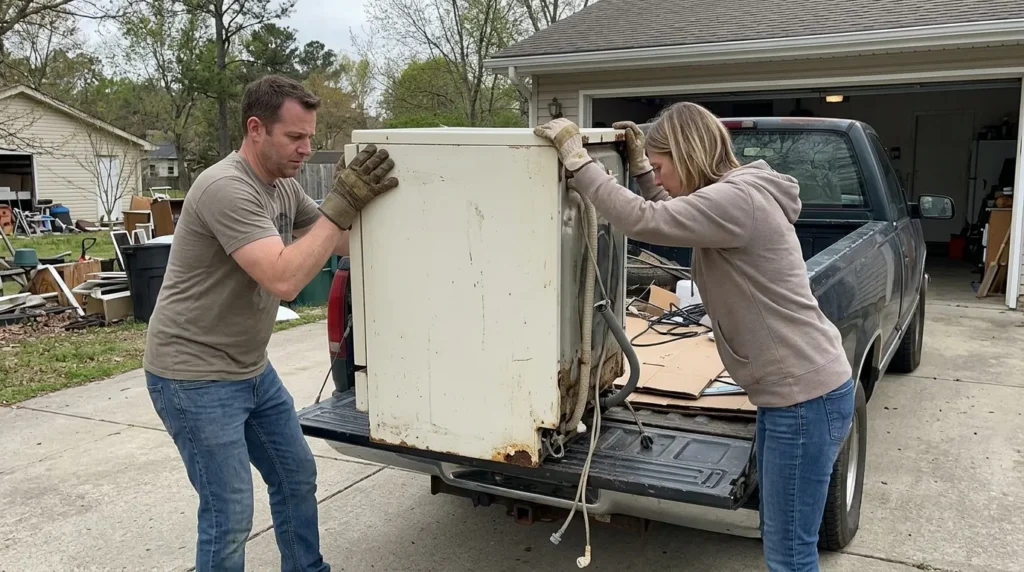
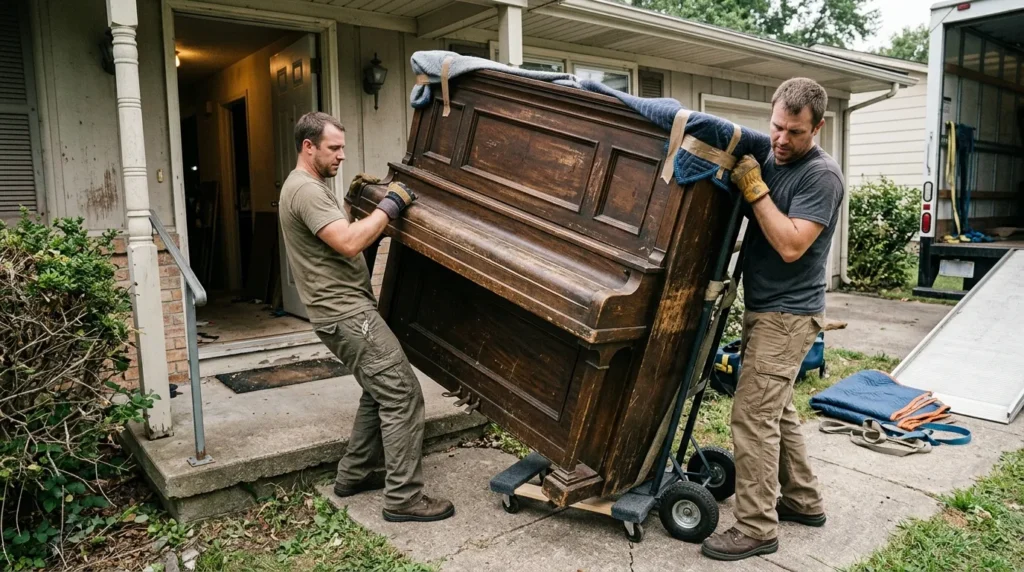
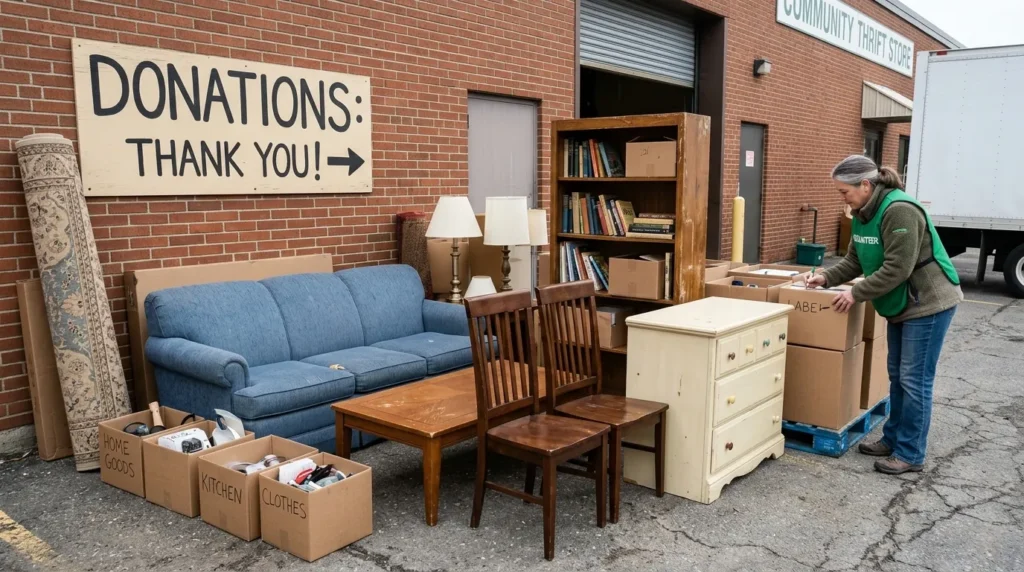
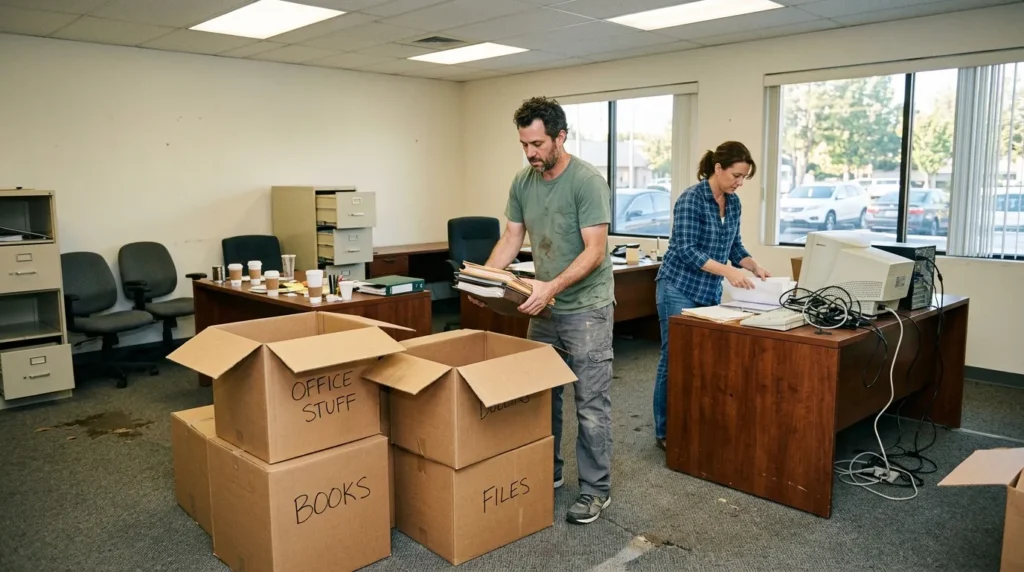
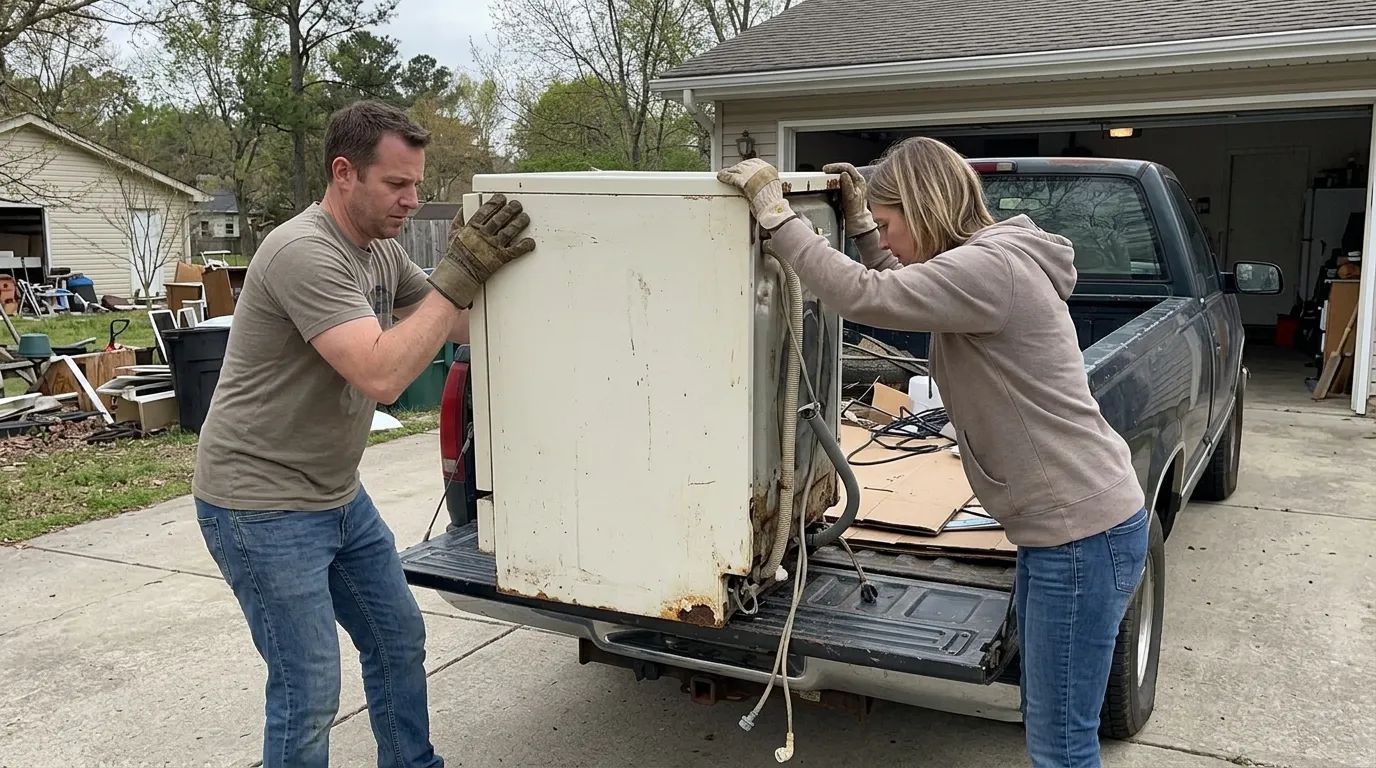
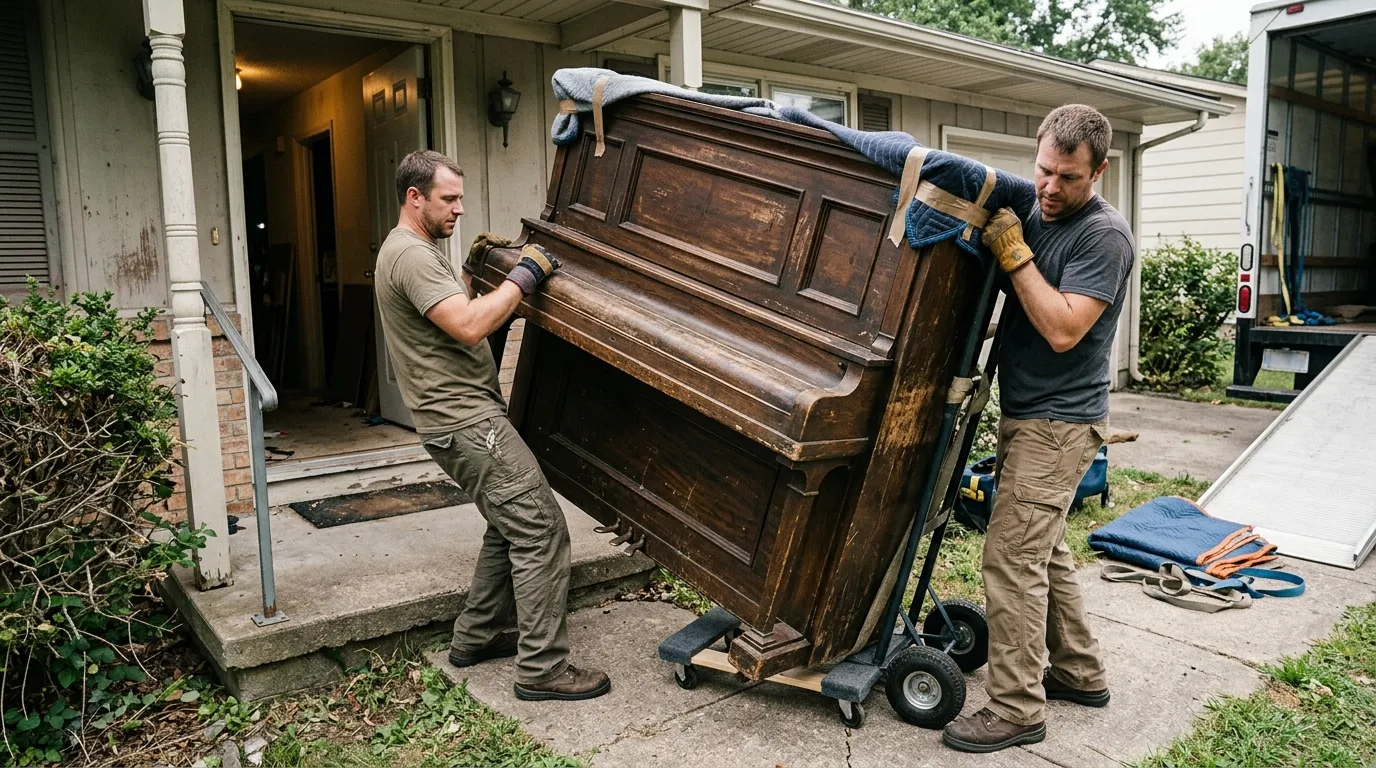
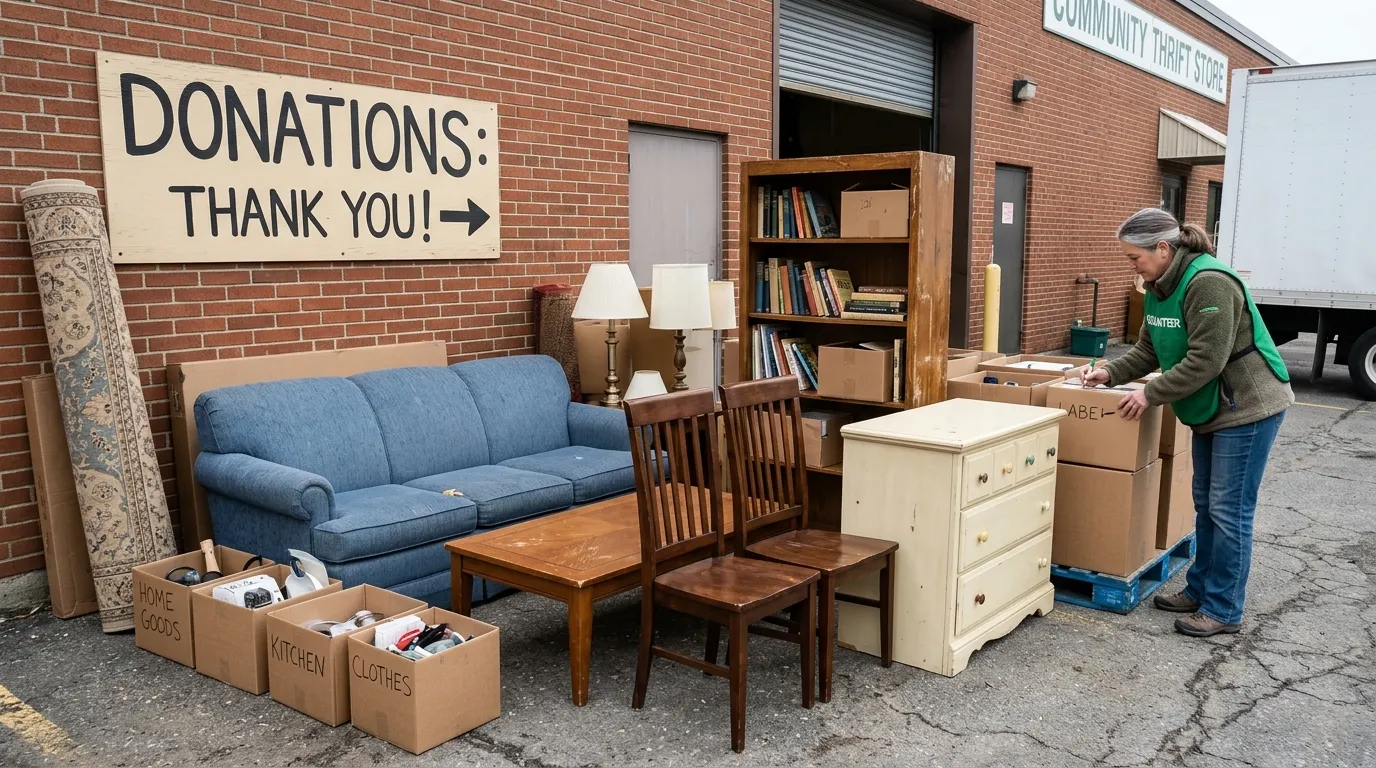
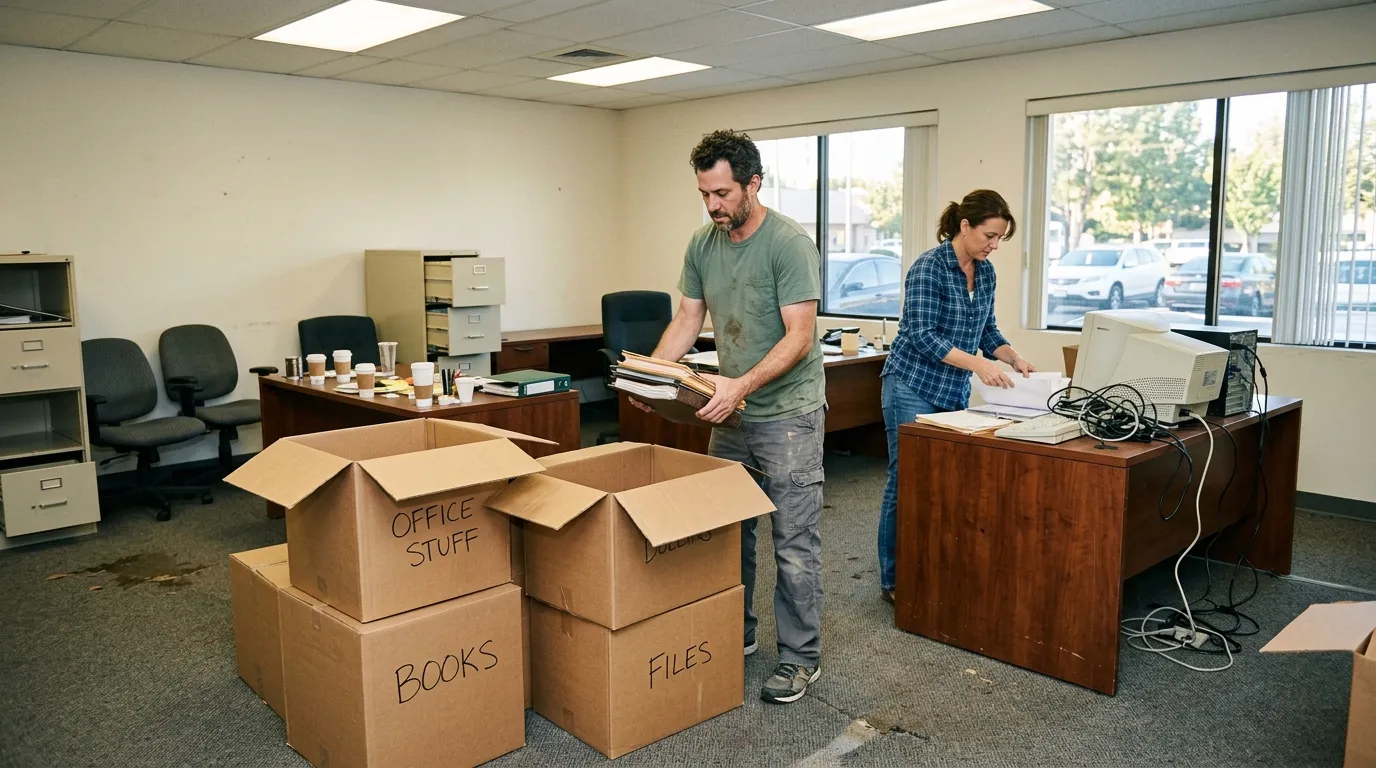
Before demolition begins, you need to remove personal belongings from the house. This includes furniture, clothing, appliances, documents, decorations, and anything else you want to keep.
Some materials may also be removed before the main structure is demolished. This process is sometimes called selective demolition. Items such as cabinets, doors, windows, fixtures, or reusable building materials may be removed separately if they have value or can be reused.
7. Structural Demolition
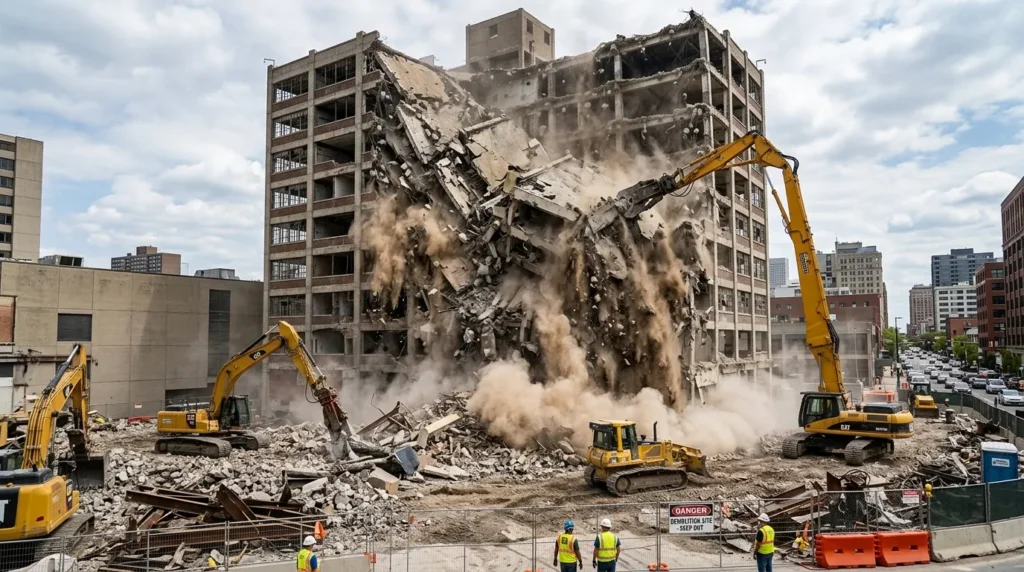
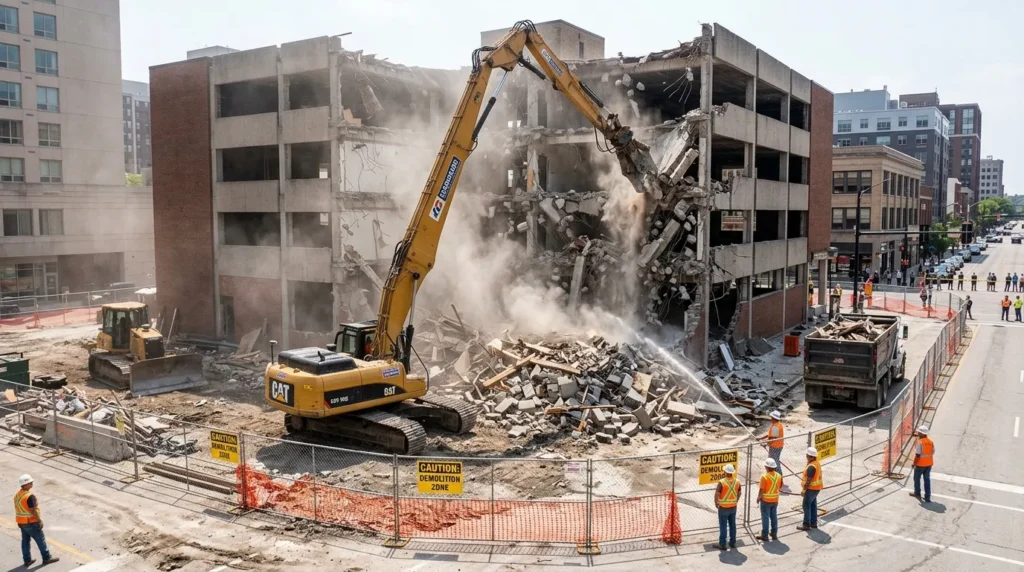
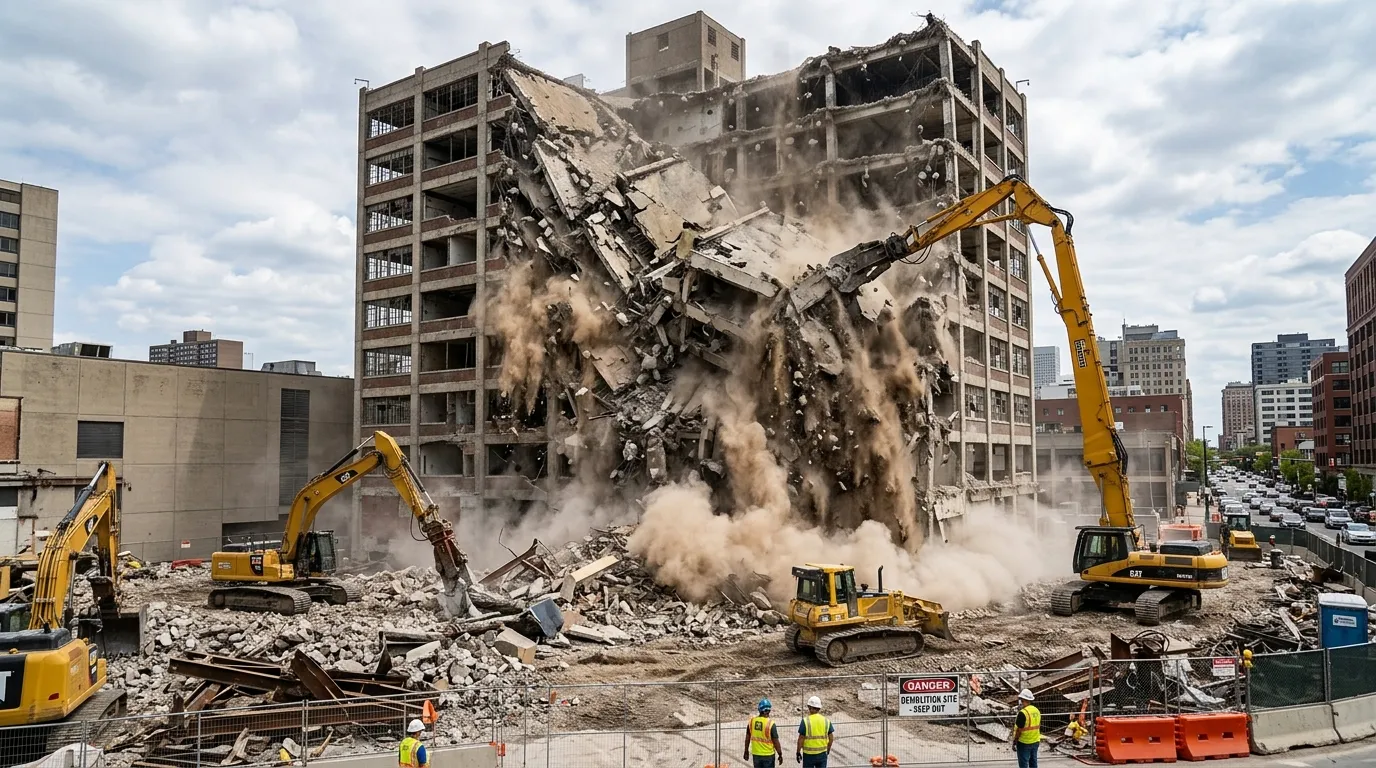
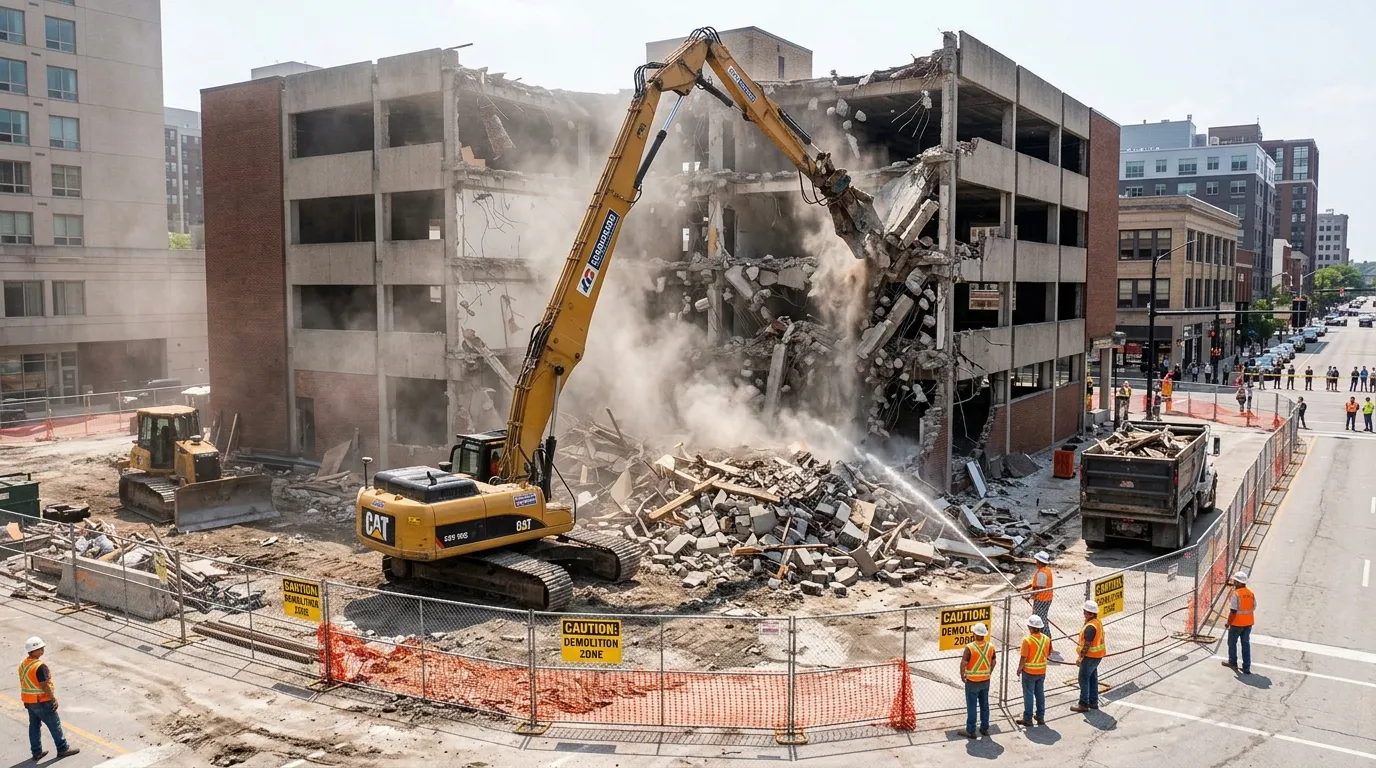
Once the site is ready, the actual demolition can begin. The method depends on the size and structure of the house. A contractor may use excavators, loaders, and other heavy equipment to bring down the building in a controlled way.
Demolition usually happens in stages rather than simply knocking down the entire house at once. Workers remove parts of the structure in a planned order to reduce safety risks and make waste handling easier.
During this stage, you can expect noise, dust, vibrations, and heavy equipment around the property. The amount of disturbance depends on the size of the house and the demolition method.
8. Debris Removal
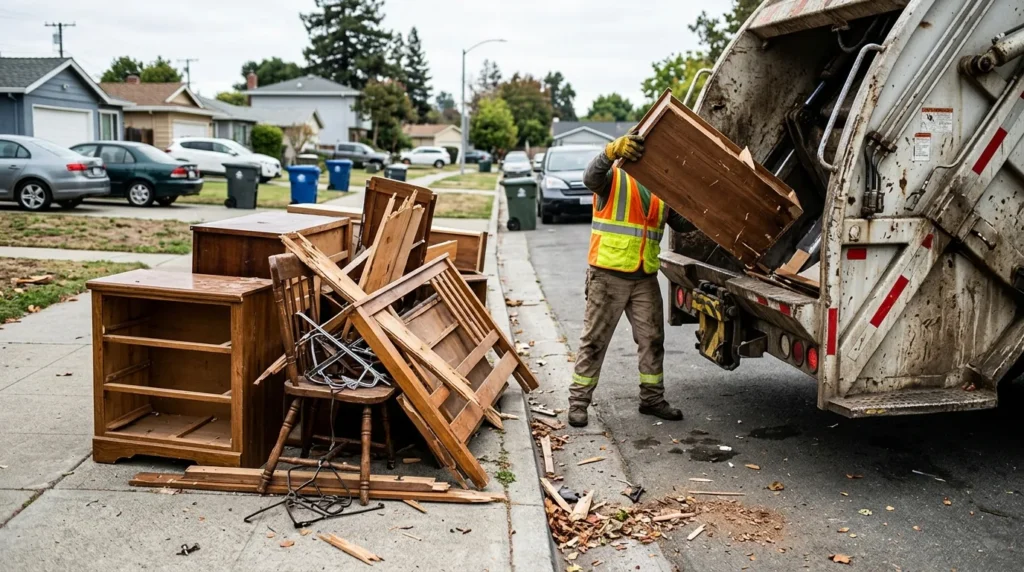
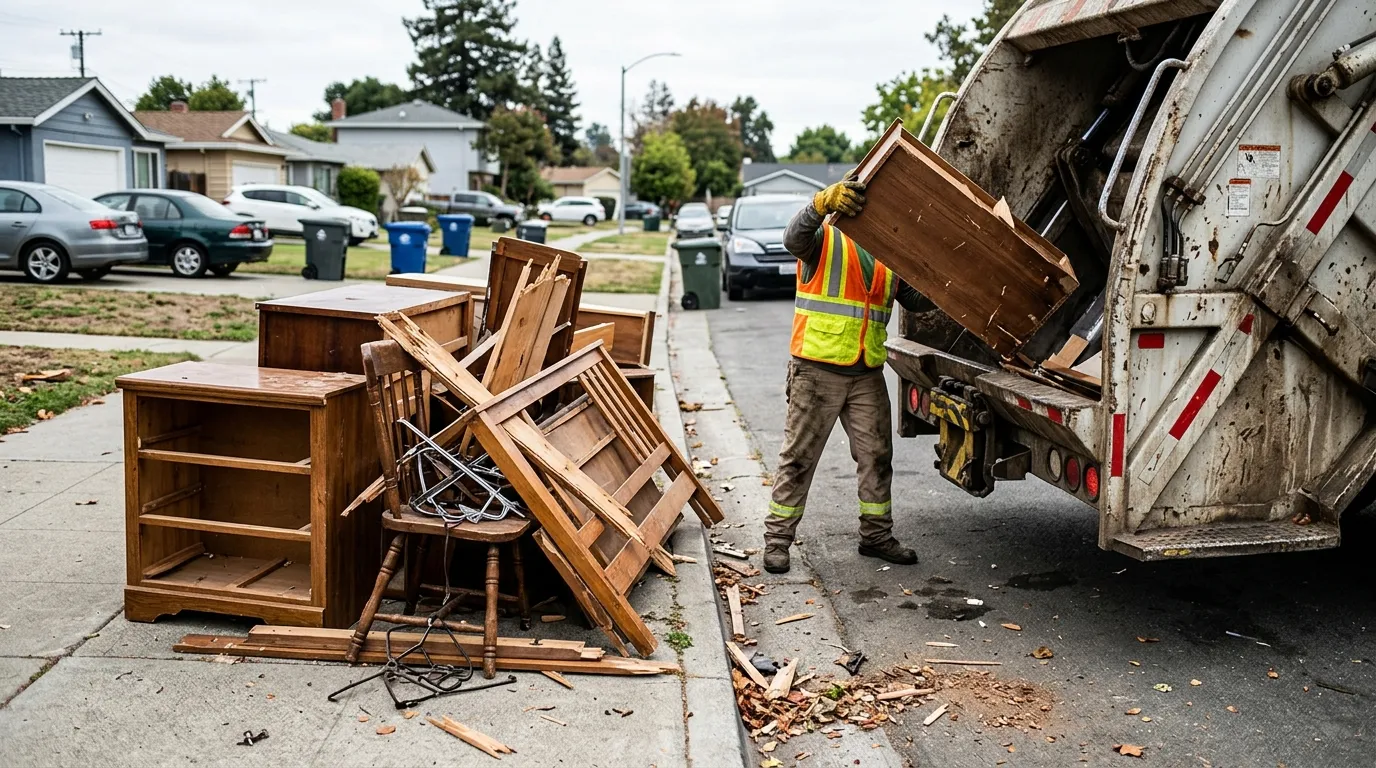
After parts of the house are demolished, a large amount of waste will need to be removed. This can include wood, concrete, bricks, drywall, roofing materials, metal, glass, and other building materials.
Trucks or other equipment are used to move the debris from the site. The waste should be taken to suitable disposal or processing facilities. Keeping the site clear during the project gives workers more room to work safely.
9. Material Recycling
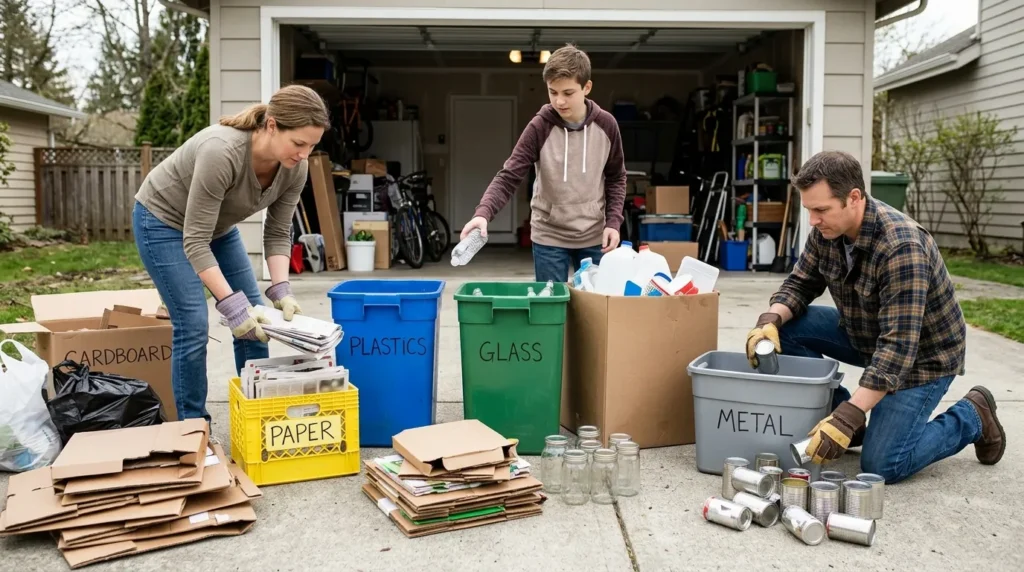
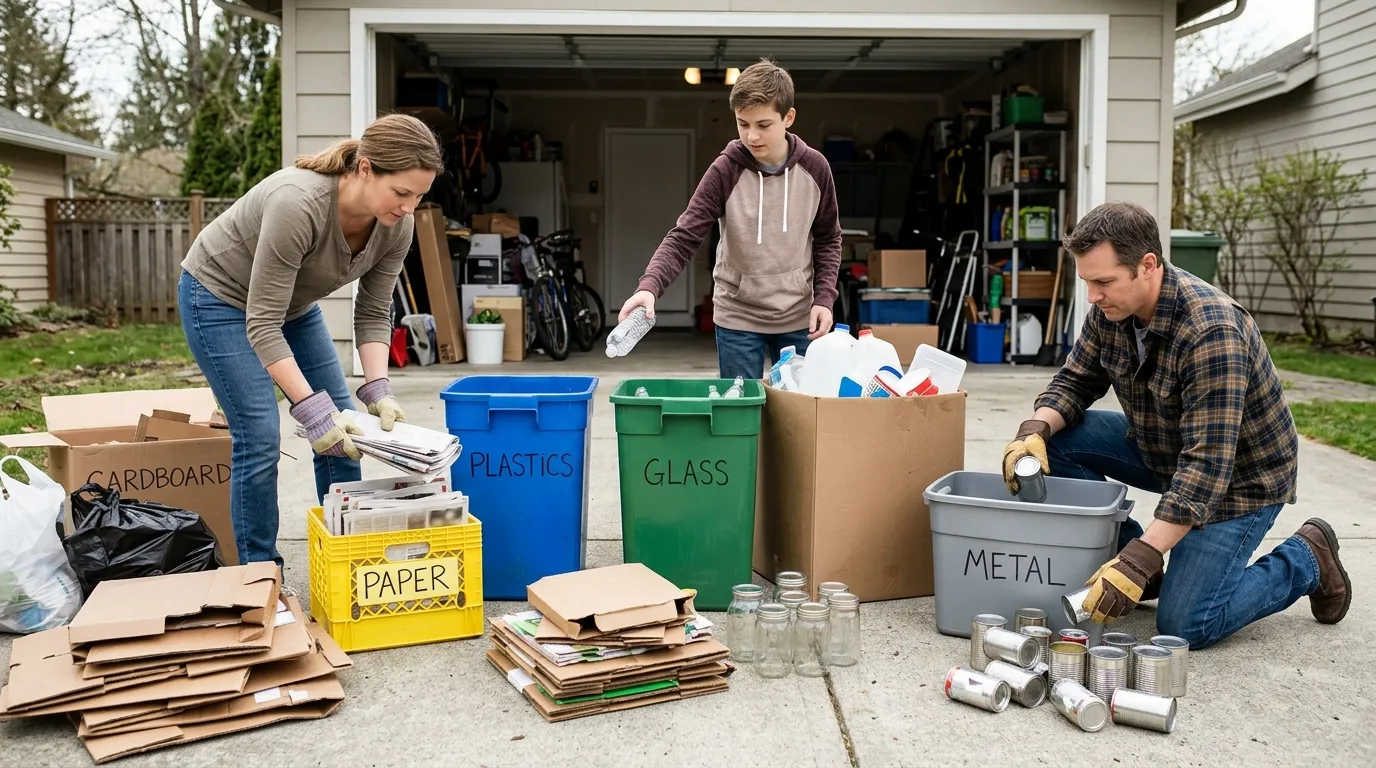
Not everything from a demolished house has to go to a landfill. Some materials can be separated and recycled or reused. Metal, concrete, wood, bricks, and certain other materials may have recycling or reuse options.
Recycling can reduce the amount of waste sent to landfills. It may also help lower disposal costs, depending on local rules and the materials involved. Ask your contractor how they plan to sort and handle demolition waste before the project begins.
10. Final Site Cleanup
After the house and debris have been removed, the contractor cleans the property. This may include removing small pieces of debris, clearing the work area, and leveling the ground.
If you plan to build a new house or another structure on the property, the ground may need additional preparation. Your contractor can explain what work is included in the demolition contract and what needs to be handled separately.
How Long Does House Demolition Take?
The time needed for a house demolition depends on several factors. The size of the house, construction materials, permits, hazardous materials, weather, site access, and amount of waste can all affect the schedule. A small house may take less time than a large or complicated building.
Your contractor should give you an estimated timeline before work starts. Keep in mind that unexpected issues, such as hazardous materials or utility problems, can add extra time.
How Much Does House Demolition Cost?
The cost of demolition varies from one property to another. Factors such as house size, location, building materials, permits, utility disconnection, hazardous material removal, equipment, labor, and waste disposal can all affect the final price.
Ask for a written estimate that clearly explains what is included. Check whether the price covers permits, debris removal, recycling, cleanup, and ground preparation. This can help you avoid unexpected charges later.
Final Thoughts
House demolition is a planned process that includes much more than removing the building. From the first inspection and permits to utility disconnection, demolition, waste removal, and final cleanup, each step helps keep the project safe and organized. Before hiring a contractor, ask about their experience, insurance, permits, waste handling, timeline, and total cost. A clear plan can make the demolition process easier and help you prepare for the next use of your property.
Also Read: How To Prepare a House For Demolition?